














As electric bikes become an increasingly common part of everyday life, more riders are choosing them for commuting, recreational riding, and outdoor exploration. Compared with traditional bicycles, electric bikes make riding easier while allowing cyclists to travel longer distances and explore more terrain.

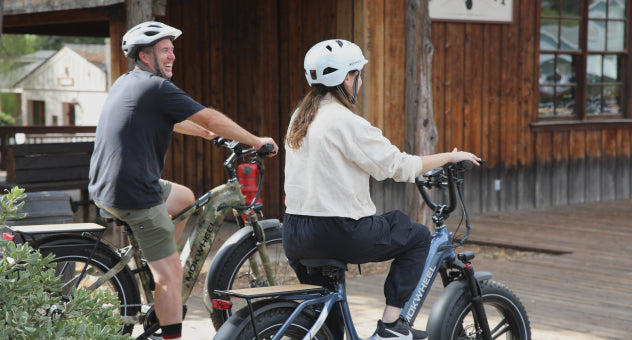
Among the many types of e-bikes available today, fat tire electric bikes have become especially popular thanks to their stability and all-terrain capability. Their wide tires provide improved traction and comfort on surfaces such as sand, snow, gravel, and uneven trails, making them ideal for riders who enjoy both urban and outdoor adventures.
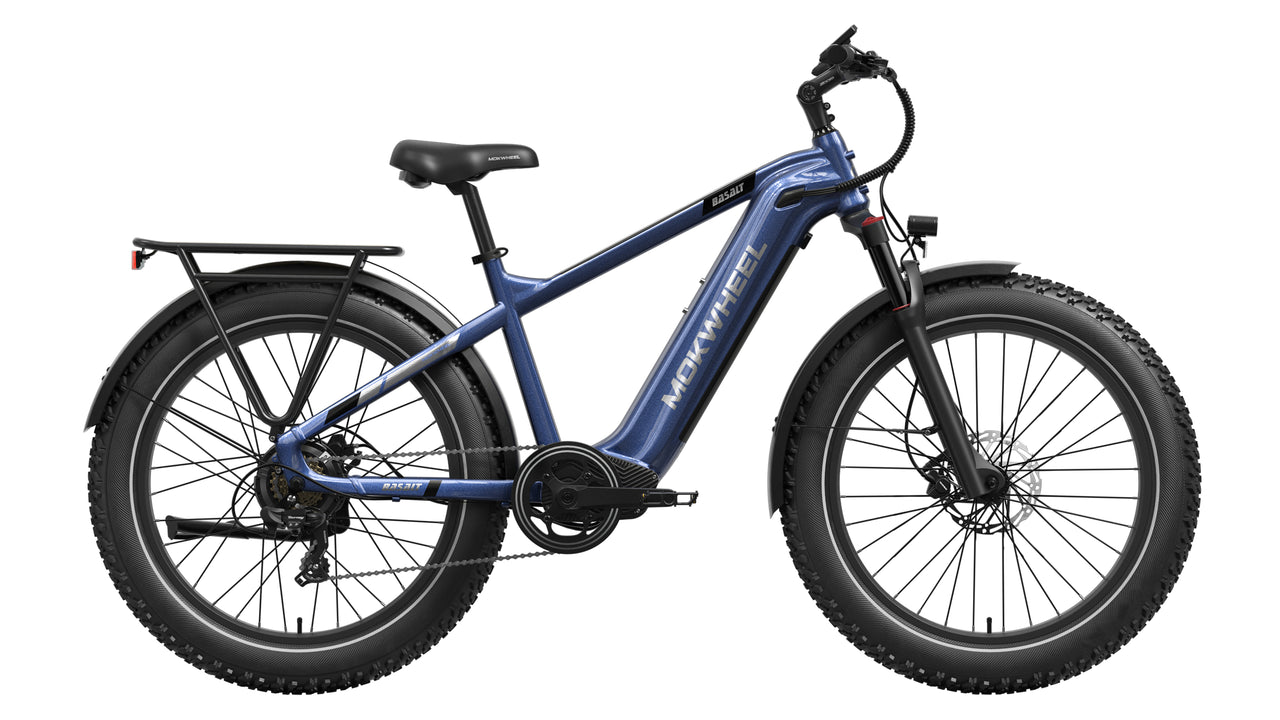
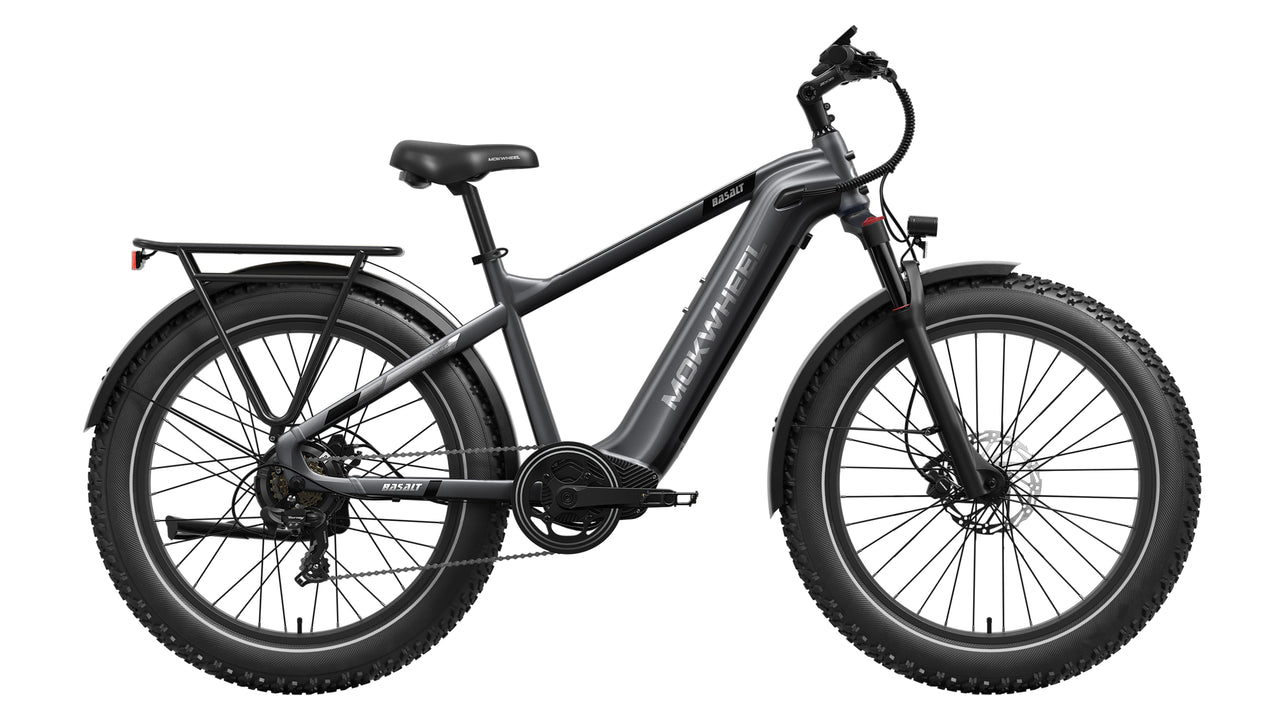
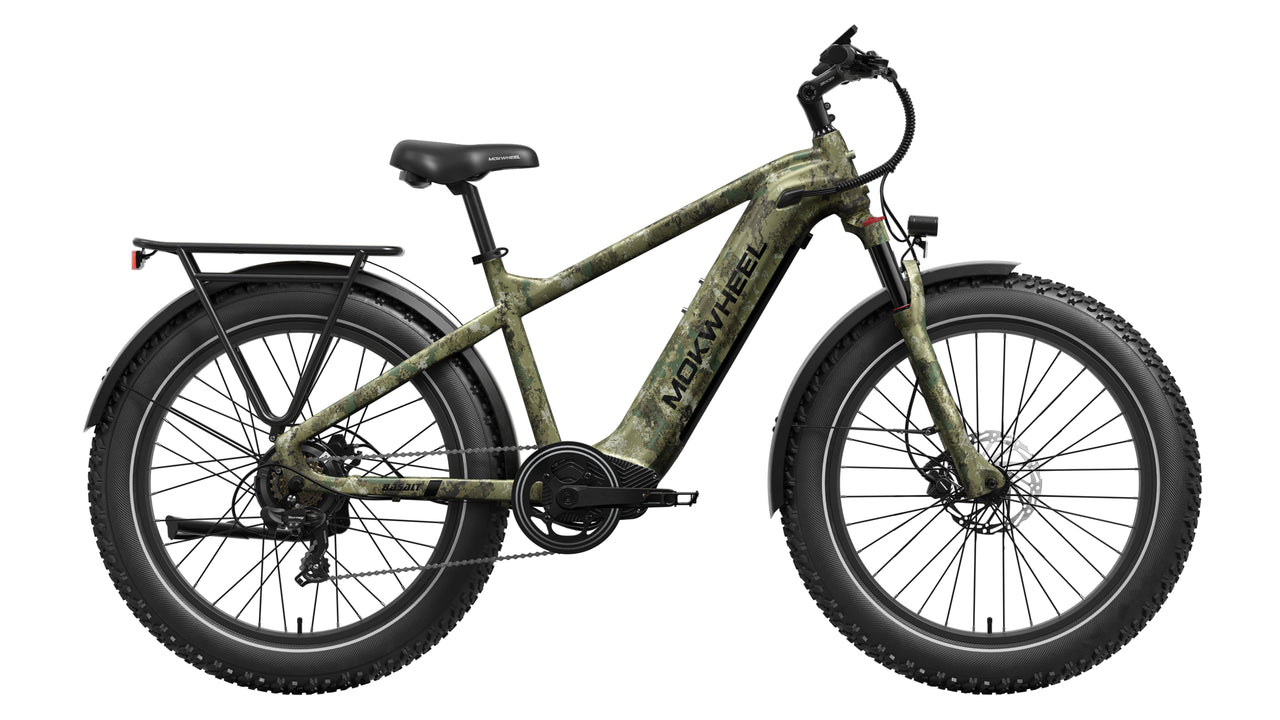
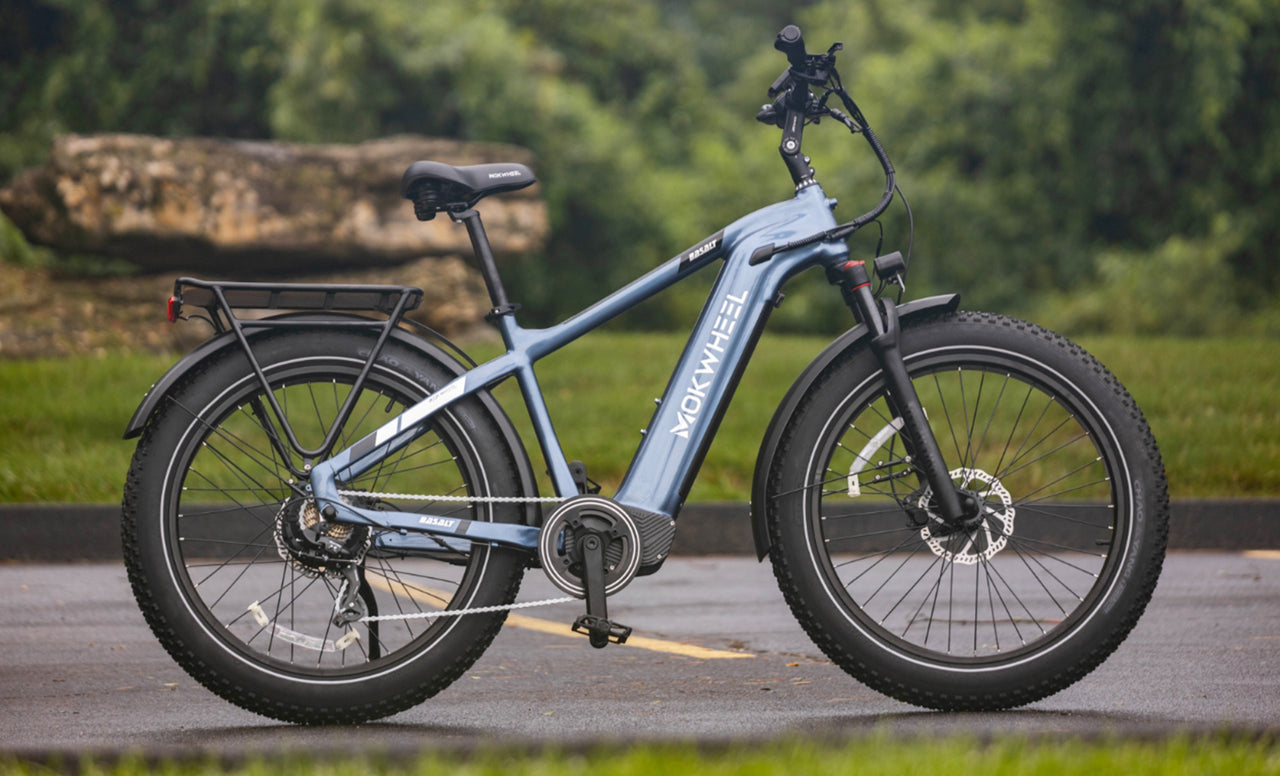
Two models that frequently attract attention in this category are the Mokwheel Basalt 2.0 and the Aventon Aventure 3. Both bikes are designed to deliver strong performance, comfortable riding, and versatility across different riding environments. However, they also differ in several key areas that may influence which one is the better choice for your needs.
In this comparison, we’ll take a closer look at their motor performance, battery range, suspension system, braking performance, payload capacity, and overall value to help you better understand how these two fat tire electric bikes compare.
Key Specifications Overview
Before diving into the details, here’s a quick look at the main specifications of the Mokwheel Basalt 2.0 and Aventon Aventure 3.
| Feature | Mokwheel Basalt 2.0 | Aventon Aventure 3 |
|---|---|---|
| Motor Power | 750W (1100W peak) | 750W (1188W peak) |
| Price | $1699.99 | $1999 |
| Battery | 48V 19.6Ah | 36V 20Ah (733Wh) |
| Range | 60–80 miles | Up to 65 miles |
| Top Speed | 20 mph throttle / 28 mph pedal assist | 20 mph (adjustable to 28 mph) |
| Torque | 90+ Nm | 80 Nm |
| Tires | 26×4.0 puncture-resistant fat tires | 26×4.0 puncture-resistant fat tires |
| Suspension | 110 mm adjustable fork | 80 mm suspension fork |
| Brakes | Tektro TKD171 hydraulic disc brakes | Tektro HD-E3520 hydraulic disc brakes |
| Payload Capacity | 450 lbs | 400 lbs |
| Special Features | Solar charging / Power Station compatibility | Smart riding system |
Basalt 2.0 vs. Aventure 3: Detailed Comparison
Motor Performance and Riding Power
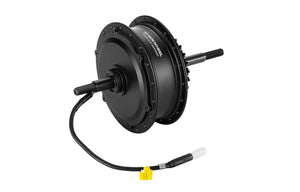
Both the Basalt 2.0 and Aventure 3 are equipped with 750W rear hub motors, a common configuration for high-performance fat tire e-bikes. This level of power is more than sufficient for daily commuting, recreational riding, and light off-road use.
The Aventon Aventure 3 offers a slightly higher peak motor output of 1188W, which can deliver stronger acceleration in short bursts, particularly when starting from a stop or climbing hills.
The Mokwheel Basalt 2.0, meanwhile, delivers 1100W peak power along with over 90 Nm of torque, compared to the 80 Nm torque offered by the Aventure 3. Higher torque generally provides improved performance on challenging terrain such as sand, gravel, and snow.
For riders who frequently ride off-road or carry additional gear, the Basalt 2.0’s higher torque may provide more consistent power and control.
Battery Capacity and Riding Range
Battery performance is one of the most important factors to consider when choosing an electric bike.
The Mokwheel Basalt 2.0 comes with a 48V 19.6Ah battery, delivering an estimated range of 60 to 80 miles, depending on terrain, assist level, rider weight, and riding conditions.
The Aventon Aventure 3 features a 36V 20Ah battery with a 733Wh capacity, offering a maximum range of up to 65 miles under ideal conditions.
Both bikes provide sufficient range for commuting and recreational rides. However, riders planning longer trips or extended outdoor rides may appreciate the broader range potential offered by the Basalt 2.0.
In addition, the Basalt 2.0 battery is UL-certified and IPX7 waterproof, providing additional reliability and safety for riders who may encounter wet conditions.
Tires and Suspension for All-Terrain Riding
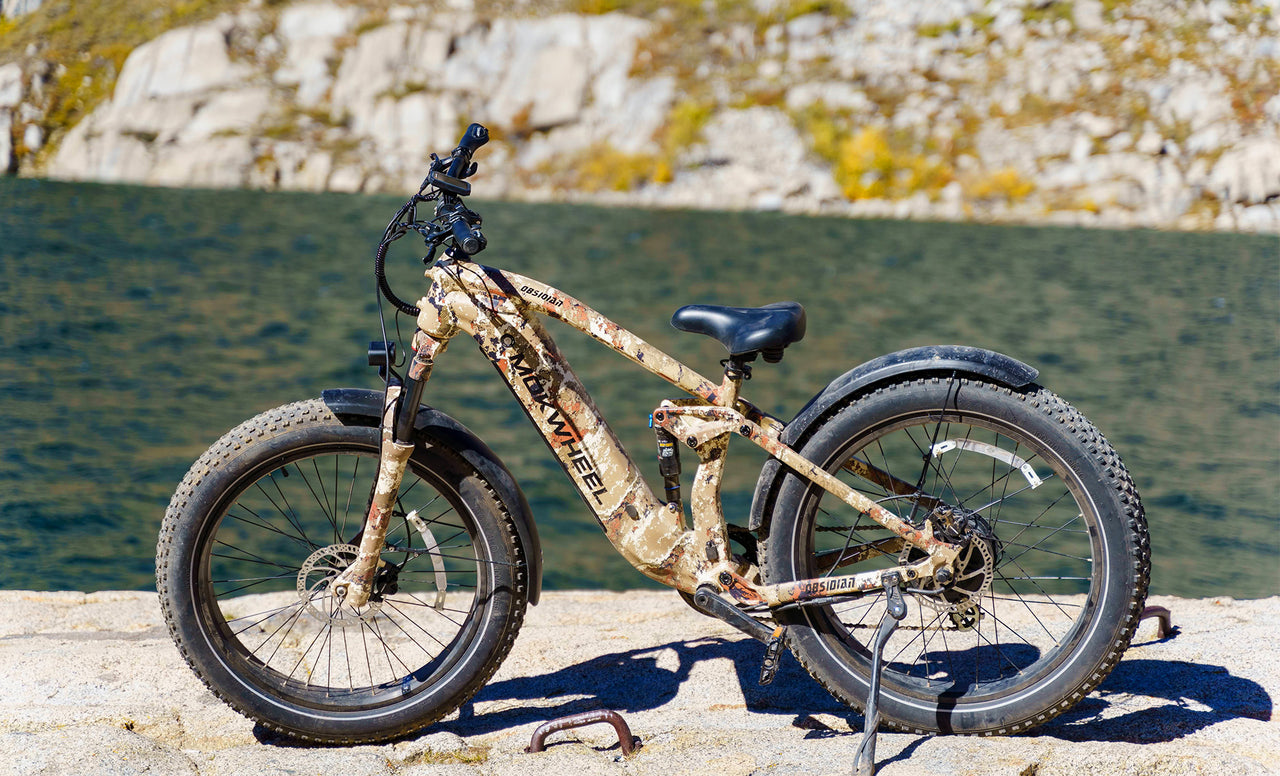
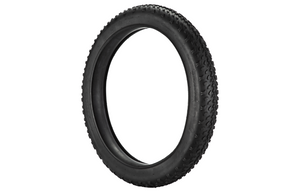
Fat tire e-bikes are built to handle a wide range of surfaces, and both bikes feature 26×4.0-inch puncture-resistant fat tires designed to deliver excellent traction and stability.
These wide tires help improve grip and absorb bumps, making them well-suited for riding on sand, snow, gravel roads, and uneven trails.
One of the key differences between the two bikes lies in the suspension travel.
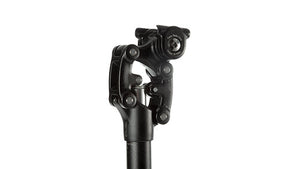
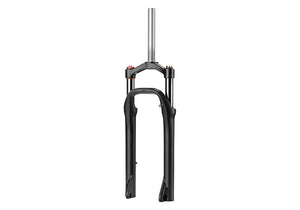
- Mokwheel Basalt 2.0: 110 mm adjustable suspension
- Aventon Aventure 3: 80 mm suspension fork with lockout
The additional suspension travel on the Basalt 2.0 can provide improved shock absorption on rough terrain, which may enhance comfort during trail riding.
On the other hand, the Aventure 3’s lockout feature allows riders to stiffen the suspension when riding on paved roads, which can improve pedaling efficiency.
Braking Performance and Safety
When an electric bike can reach speeds of up to 28 mph, reliable braking becomes especially important.
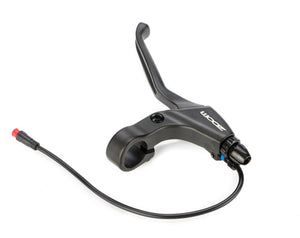
Both bikes are equipped with Tektro hydraulic disc brakes, a widely trusted braking system in the cycling industry.
The Basalt 2.0 uses Tektro TKD171 hydraulic brakes, offering strong and consistent stopping power, particularly useful when riding downhill or carrying additional weight.
The Aventure 3 features Tektro HD-E3520 hydraulic brakes with an EJ1 quick-disconnect cable, which can make maintenance or wheel removal more convenient.
Overall, both braking systems provide dependable performance for daily riding and light off-road use.
Payload Capacity and Practical Use
Payload capacity can be an important factor for riders who carry groceries, commuting gear, or camping equipment.
The Mokwheel Basalt 2.0 supports a maximum payload of 450 lbs, while the Aventon Aventure 3 supports up to 400 lbs.
This higher weight capacity may make the Basalt 2.0 more appealing for riders who plan to carry heavier loads or use their e-bike for outdoor activities.
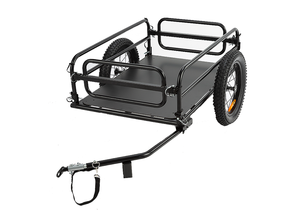
For riders interested in camping trips, long-distance rides, or gear hauling, the additional payload capacity could be a practical advantage.
Unique Features and Outdoor Versatility
Both bikes offer their own unique features that may appeal to different types of riders.
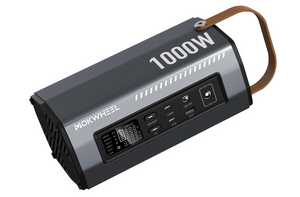
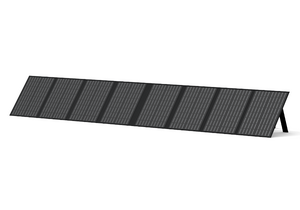
One standout feature of the Mokwheel Basalt 2.0 is its compatibility with solar charging and Power Station accessories. With compatible solar panels and an inverter, the bike can help power small devices such as phones or laptops during outdoor trips.
This capability makes the Basalt 2.0 not only an electric bike but also part of a potential outdoor energy ecosystem, which may be appealing for riders who enjoy camping or off-grid adventures.
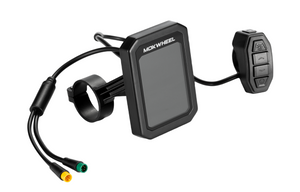
In contrast, the Aventon Aventure 3 places more emphasis on smart riding features, including an integrated display and digital riding data, which may appeal to riders who value connected technology and a modern riding interface.
Price and Overall Value
Price is often a deciding factor when comparing electric bikes with similar specifications.
The Mokwheel Basalt 2.0 is priced at $1699.99, while the Aventon Aventure 3 typically retails for around $1999.
Although both bikes offer strong performance, the Basalt 2.0 comes at a lower price while still delivering competitive specifications such as higher torque, longer suspension travel, and greater payload capacity.
For riders seeking a capable fat tire e-bike at a more accessible price point, this may represent an appealing value option.
Basalt-2.0-blog
Which Electric Fat Tire Bike Is Right for You?
Overall, both the Mokwheel Basalt 2.0 and Aventon Aventure 3 are capable fat tire electric bikes designed for versatile riding.
The Aventure 3 may appeal to riders who prioritize smart features and a refined urban riding experience.
Meanwhile, the Basalt 2.0 may be better suited for riders who value longer range potential, higher torque, greater payload capacity, and outdoor-oriented features.
If you’re looking for a fat tire electric bike that can support both daily riding and outdoor exploration, comparing the Mokwheel Basalt 2.0 and Aventon Aventure 3 based on your riding habits, preferred terrain, and feature priorities can help you determine which model best fits your needs.
Frequently Asked Questions
What are the main differences between the Mokwheel Basalt 2.0 and Aventon Aventure 3?
Both the Mokwheel Basalt 2.0 and Aventon Aventure 3 are 750W fat tire electric bikes, but they differ in several key areas. The Basalt 2.0 offers higher torque (90+ Nm), longer suspension travel (110 mm), and a higher payload capacity of 450 lbs. The Aventure 3, on the other hand, provides slightly higher peak motor output and focuses more on smart riding features. The best choice ultimately depends on your riding needs and preferred riding environment.
What is the range of the Mokwheel Basalt 2.0?
The Mokwheel Basalt 2.0 offers an estimated riding range of 60 to 80 miles under ideal conditions. Actual range may vary depending on factors such as terrain, rider weight, assist level, and riding style.
What is the maximum range of the Aventon Aventure 3?
The Aventon Aventure 3 offers a maximum range of up to 65 miles under optimal riding conditions. Riding mode, terrain, and rider weight can all affect the actual distance achieved.
Is the Mokwheel Basalt 2.0 suitable for off-road riding?
Yes. The Mokwheel Basalt 2.0 is designed for versatile terrain with 26×4.0 fat tires, 110 mm suspension travel, and over 90 Nm of torque. These features provide stability and traction on surfaces such as sand, gravel, and snow, making it suitable for outdoor adventures and light off-road riding.
What is the Power Station feature on the Basalt 2.0?
The Mokwheel Basalt 2.0 supports solar charging and Power Station functionality. When paired with compatible solar panels and an inverter, the bike can be used to power small electronic devices such as smartphones, laptops, and other camping equipment during outdoor trips.
What is the payload capacity of the Mokwheel Basalt 2.0?
The Mokwheel Basalt 2.0 supports a maximum payload capacity of 450 lbs, which is higher than the 400 lbs capacity of the Aventon Aventure 3. This makes it a good option for riders who plan to carry additional gear, groceries, or outdoor equipment.
Which bike is better for everyday riding, the Basalt 2.0 or Aventure 3?
Both bikes are suitable for everyday riding. The Aventon Aventure 3 emphasizes smart riding features and a connected riding experience, while the Mokwheel Basalt 2.0 offers stronger torque, longer suspension travel, and higher payload capacity. The right choice depends on your personal riding preferences and intended use.