
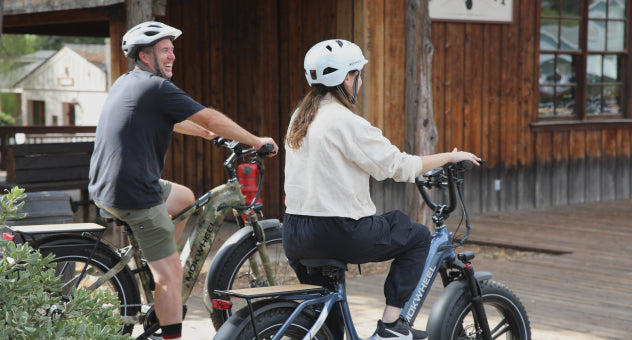













Riding an e-bike to work can make your daily commute a lot easier. You can skip some of the traffic, spend less time looking for parking, and still get a little fresh air before the day starts. Unlike a regular bike, an e-bike gives you help when the ride gets harder, whether that means a hill, a headwind, or a longer route than you expected.
The best part is that e-bike commuting does not have to be complicated. You just need a safe route, enough battery for the round trip, a few basic pieces of gear, and a bike that feels comfortable enough to ride every day.

Quick Answer: Is an E-Bike Good for Daily Commuting?
Yes. An e-bike is a great choice for daily commuting, especially if your ride is too far to walk but feels wasteful by car. It helps you cover more distance with less effort, handle hills more easily, and get to work without feeling like you just finished a workout.
A good commuter e-bike should be comfortable, easy to control, and practical for everyday use. Range, brakes, tires, lights, and carrying options all matter more than top speed.
Why E-Bikes Are Good for Riding to Work
Most daily trips are not long road trips. They are quick drives to work, the gym, the grocery store, or a coffee shop. Those short trips are exactly where an e-bike makes sense.
An e-bike gives you more flexibility than walking and usually feels less tiring than a traditional bike. You still pedal, but the motor helps smooth out the tough parts of the ride. That makes it easier to ride consistently, not just on perfect weather days when you feel extra motivated.
For work commutes, this can be a real advantage. You can ride at a steady pace, avoid some traffic, and arrive without feeling drained. For many people, the biggest benefit is simply having more control over the daily routine instead of depending on traffic, parking, or delayed public transportation.
How to Plan a Safe E-Bike Commuting Route
The best route for an e-bike is not always the same route you would take in a car. A road that looks fast on a map might feel stressful on a bike if traffic moves quickly or there is no shoulder.
Before your first commute, take a few minutes to map out a route with bike lanes, quieter streets, lower speed limits, or protected paths. A route that is five minutes longer but feels calmer is usually worth it.
It is also smart to test the route before using it on a workday. Try it on a weekend or after work when you are not in a rush. You will notice things a map does not show, like rough pavement, awkward turns, busy intersections, or places where drivers tend to speed.
How Much Battery Range Do You Need for an E-Bike Commute?
Range is one of the first things to check before making e-bike commuting part of your routine. Start with your real round-trip distance.
For example, if your office is 8 miles away, your commute is about 16 miles total. Your bike should handle that distance with extra battery left over. That extra cushion matters because real-world range can change with hills, wind, cold weather, rider weight, tire pressure, cargo, and how much pedal assist you use.
Do not rely only on the maximum range number listed on a product page. That number is usually based on ideal conditions. In everyday riding, it is better to choose a bike with more range than you technically need. It keeps the commute easier and helps you avoid worrying about the battery halfway home.
How to Use Pedal Assist for Daily Commuting
Pedal assist is what makes an e-bike so useful for commuting. You can decide how much help you want from the motor.
On flat roads, a lower assist level may be enough. It saves battery and still gives you a smooth ride. When you hit a hill, strong wind, or a section where you want to keep pace with traffic, you can increase the assist.
A good habit is to ride mostly in a moderate assist level and save the highest setting for the parts of the route where you really need it. That gives you a good balance of comfort, battery life, and control.
Essential Gear for E-Bike Commuting
You do not need to dress like a professional cyclist to ride an e-bike to work. Most commuters just need practical gear that keeps them safe, visible, and comfortable.
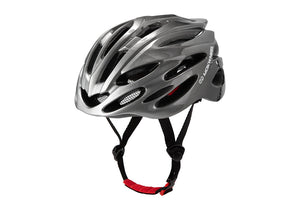
At minimum, use a properly fitted helmet and make sure drivers can see you. If you ride early in the morning, near sunset, or in cloudy weather, lights and reflective details are worth having.
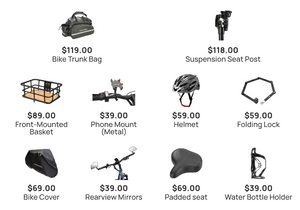
Useful e-bike commuting gear includes:
- A properly fitted helmet
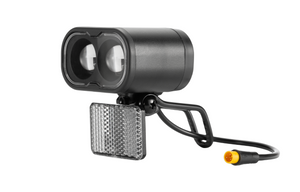
- Front and rear lights
- Reflective clothing or accessories
- Gloves for comfort and grip
- Rain gear for wet weather
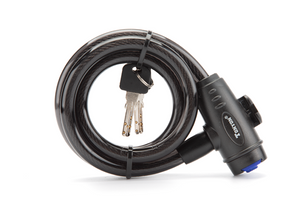
- A strong bike lock
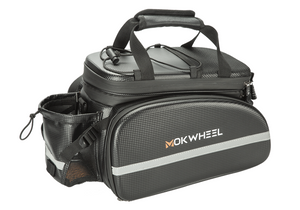
- A backpack or pannier bag for daily essentials
If it rains often where you live, a waterproof jacket and water-resistant bag will make your commute much easier.
How to Ride Safely in City Traffic
City riding takes attention. You may be sharing the road with cars, buses, pedestrians, scooters, and other cyclists, so it is better to ride predictably than aggressively.
Hold a steady line, signal when turning, and avoid sudden moves. Be careful near parked cars, especially in the “door zone,” where someone could open a car door into your path.
Use bike lanes when they are available, follow traffic lights, slow down near crosswalks, and avoid sitting in a driver’s blind spot. An e-bike can move faster than a regular bike, but speed should not be the goal in traffic. Control and visibility matter more.
How to Make Your E-Bike Commute More Comfortable
Comfort is what turns e-bike commuting from a good idea into a real habit. If your bike feels awkward, heavy, or uncomfortable, you probably will not want to ride it every day.
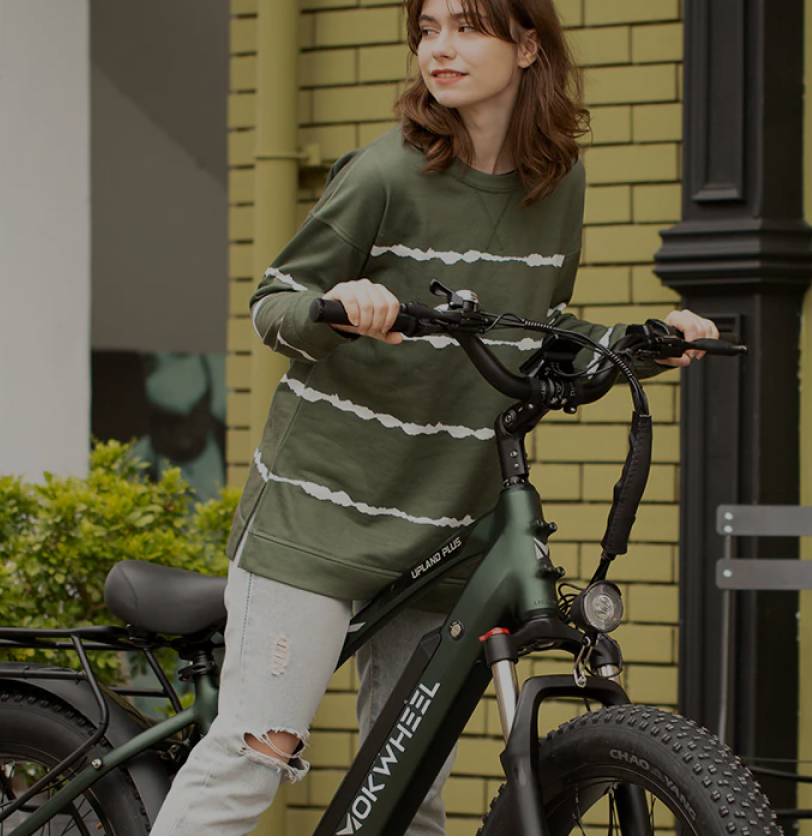
Look for a riding position that feels relaxed. Many commuter e-bikes have a more upright setup, which is easier on your back, shoulders, and wrists. It also helps you see traffic around you.
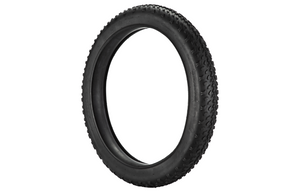
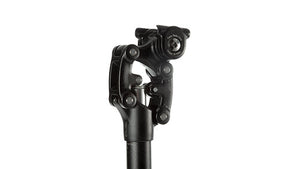
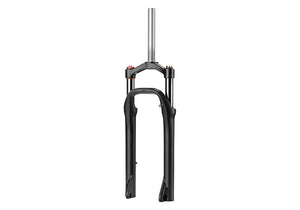
Tires, saddle comfort, handlebar position, and suspension can also change the feel of the ride. Wider tires can help smooth out rough pavement and make the bike feel more stable on city streets.
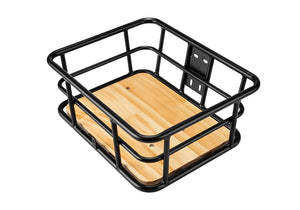
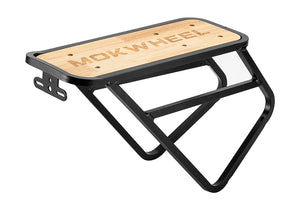
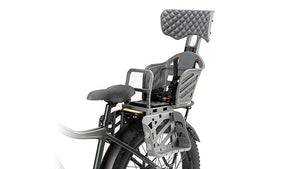
If you carry a laptop, lunch, or work clothes, consider using a rear rack or pannier instead of wearing a heavy backpack. Taking that weight off your shoulders can make the ride more comfortable and help reduce sweat.
How to Commute by E-Bike in Different Weather
Weather does not have to stop your commute, but it does change how you ride.
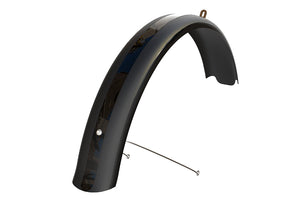
In light rain, fenders help keep road spray off your clothes, and a waterproof bag protects your laptop or work items. In colder weather, dress in layers so you can adjust as you warm up. In hot weather, give yourself extra time and use more pedal assist so you do not arrive overheated.
No matter the weather, slow down when the road surface is wet or slippery. Good brakes, stable tires, and lights become even more important when visibility is poor.
What to Look for in a Commuter E-Bike
The best commuter e-bike is not necessarily the fastest one. For everyday work rides, practical features matter more.
|
Feature |
Why It Matters for E-Bike Commuting |
|
Enough Battery Range |
Your e-bike should cover your round trip with extra power left for hills, wind, cold weather, or detours. |
|
Reliable Motor Assistance |
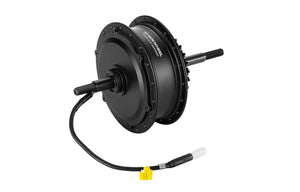
A steady motor helps you ride farther with less effort, especially on hills or longer routes. |
|
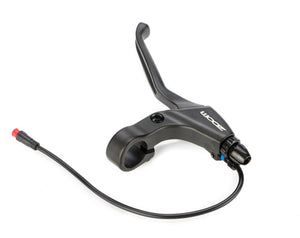
Strong Brakes |
Good brakes are important for stop-and-go traffic and safer riding. |
|
Stable Tires |
Commuter-friendly tires can improve comfort and control on city streets. |
|
Lights and Reflective Details |
Visibility matters when riding early, late, or in cloudy weather. |
|
Fenders |
Fenders help keep water and road spray off your clothes. |
|
Rear Rack Compatibility |
A rear rack or pannier setup makes it easier to carry a laptop, work bag, or daily essentials. |
|
Comfortable Riding Position |
An upright position can reduce back, shoulder, and wrist strain on daily rides. |
Before choosing a bike, think about your actual commute. How far do you ride? Are there hills? Do you need to carry a laptop? Will you ride in the rain? Do you have a secure place to park?
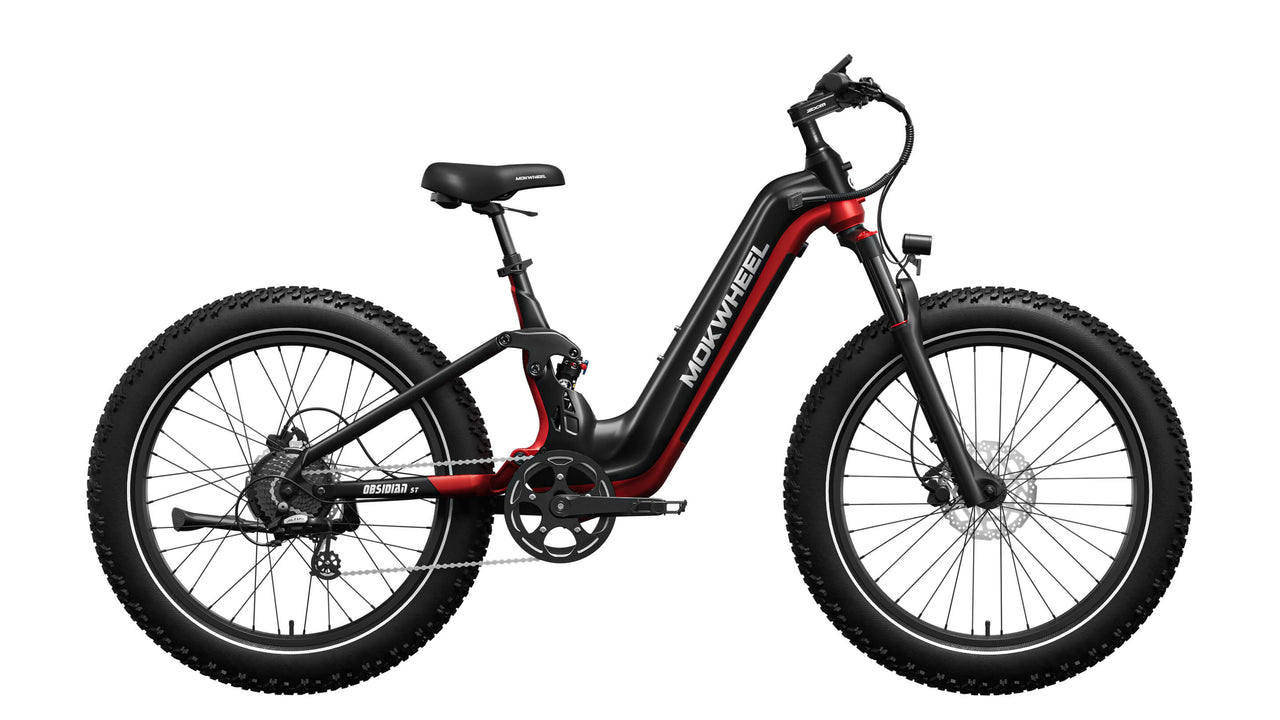
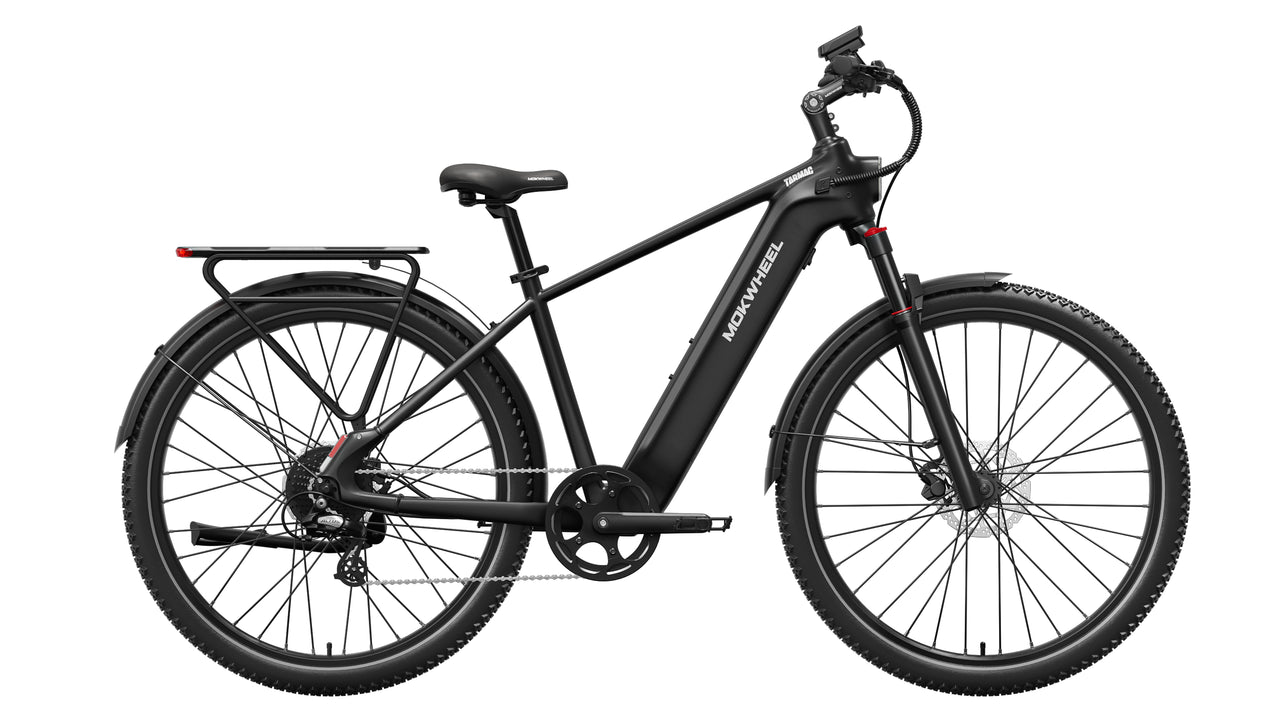
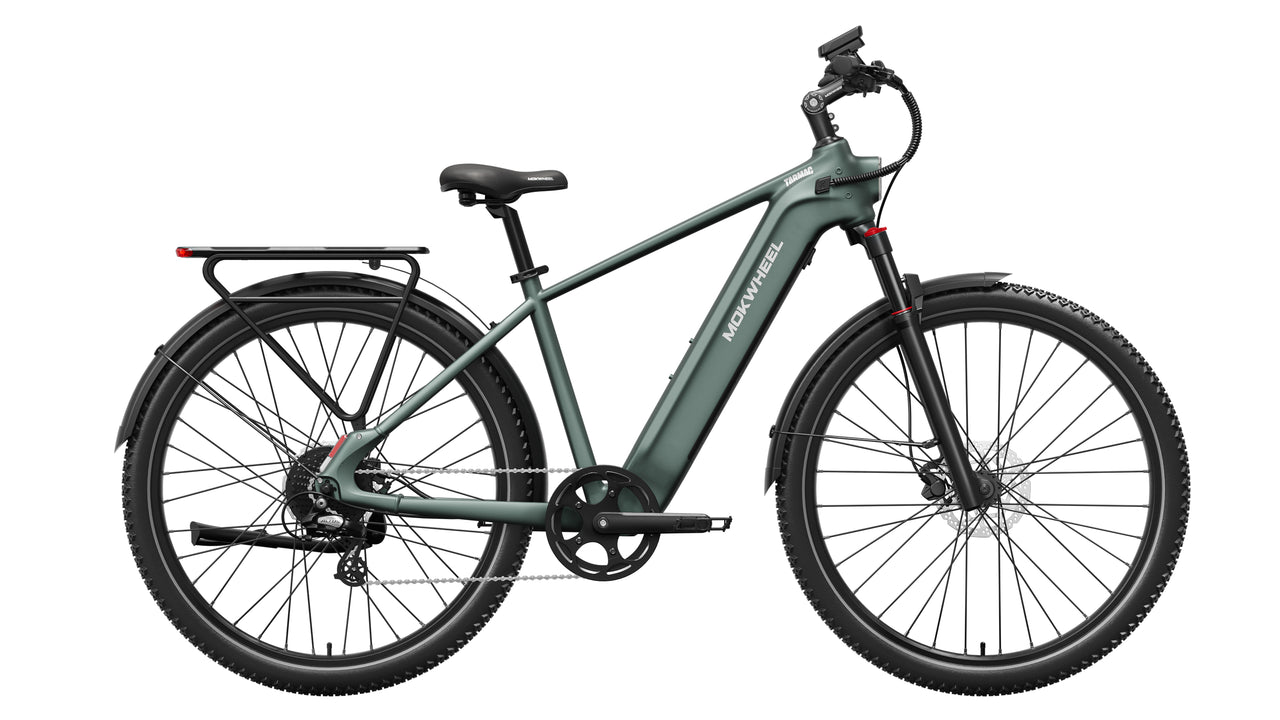
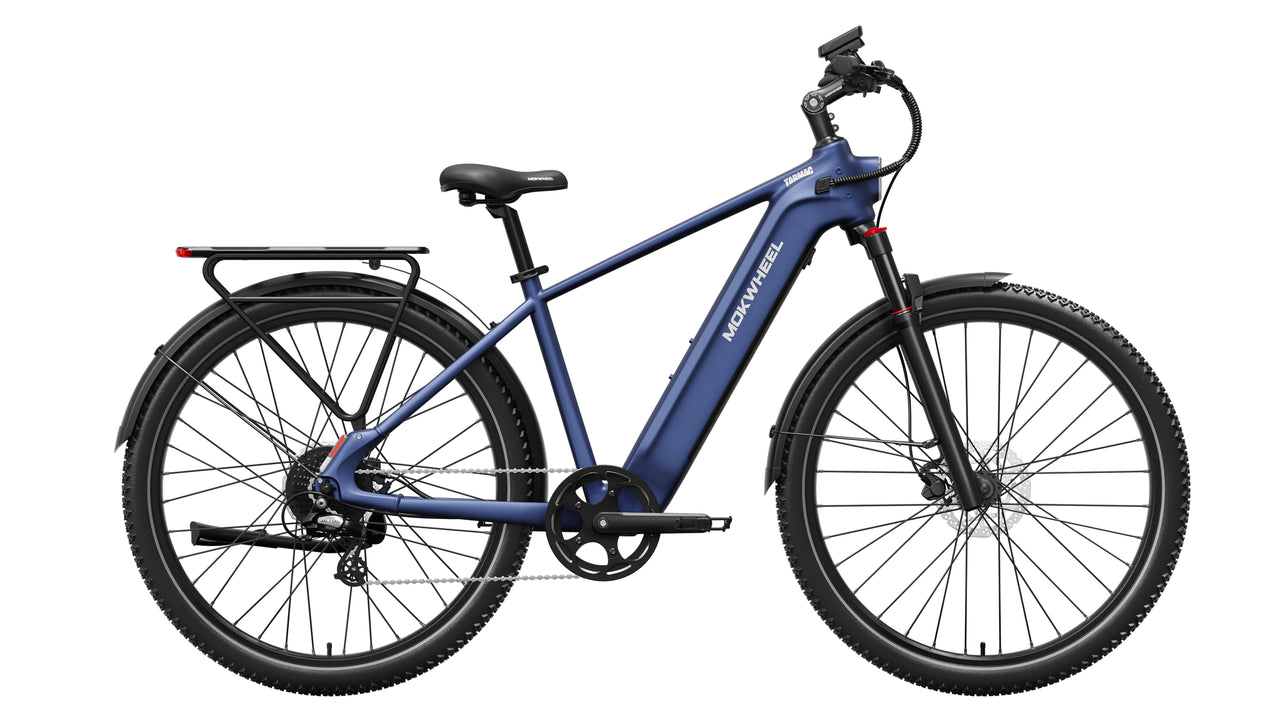
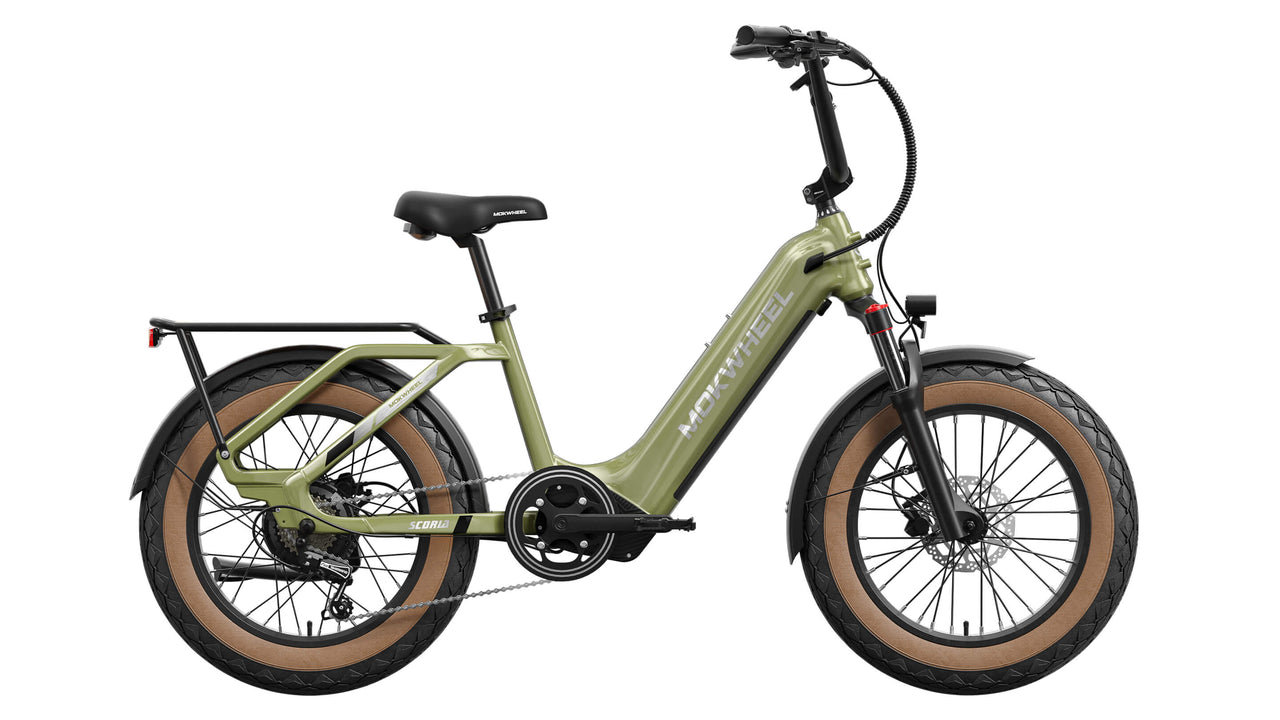
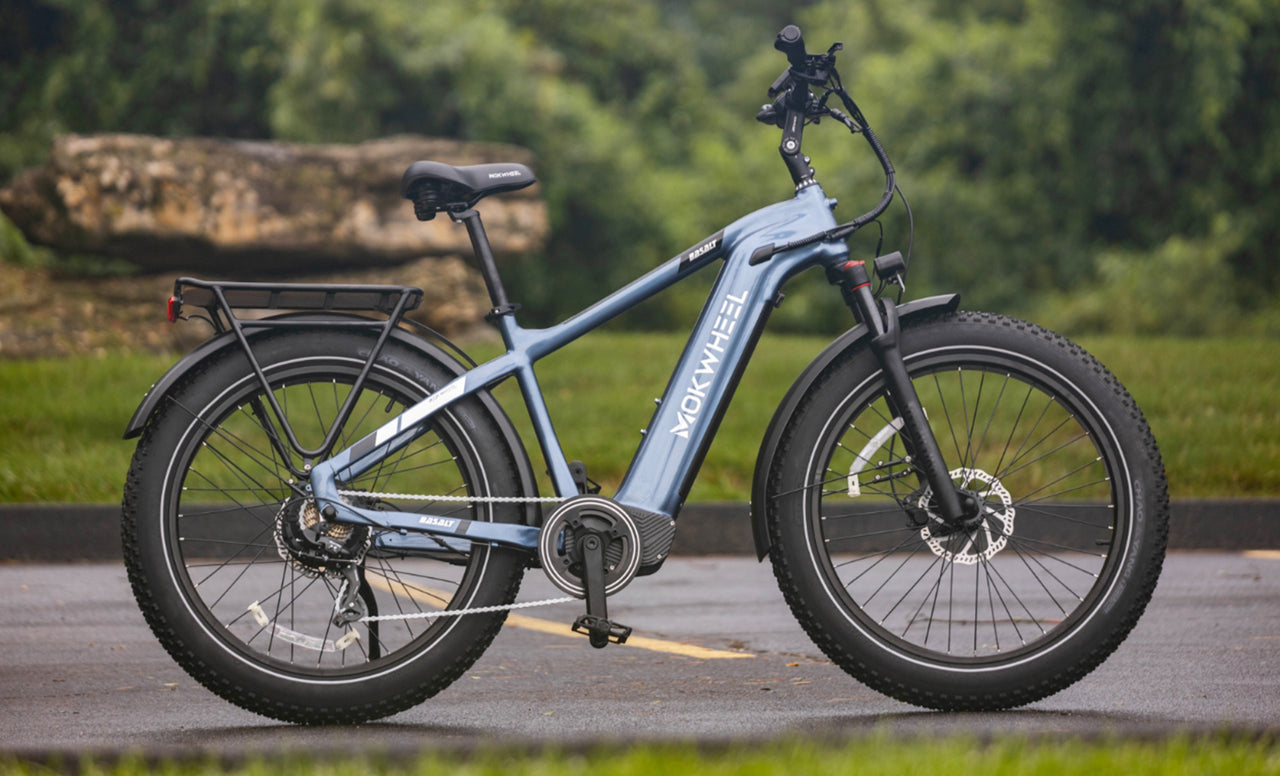
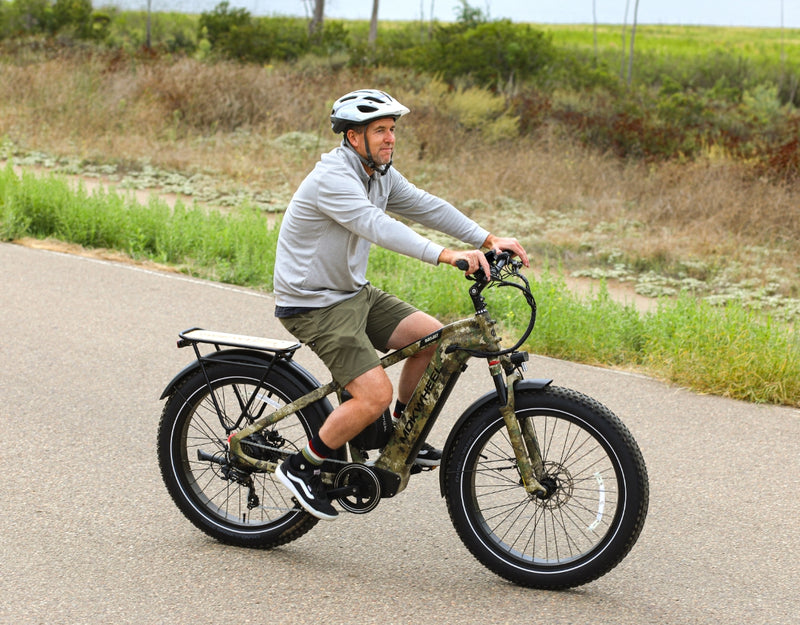
If your daily route includes city streets, errands, and regular work trips, a commuter-focused model like the Asphalt Ebike may make more sense than a bulky off-road bike. It is built around the kind of practical comfort and control most daily riders actually need.
Common E-Bike Commuting Mistakes to Avoid
Most e-bike commuting problems are easy to avoid once you know what to watch for.
A common mistake is choosing a route only because it is short. A slightly longer route with calmer streets is often better. Another mistake is cutting the battery range too close. Leave yourself extra power for hills, wind, cold weather, or an unexpected stop on the way home.
Other common mistakes include:
- Riding too fast in traffic
- Forgetting to bring a lock
- Wearing dark clothing at night
- Skipping tire pressure checks
- Carrying too much weight on your back
- Not testing the route before a workday
The goal is not to make the commute perfect on day one. The goal is to build a simple routine that feels safe, comfortable, and easy to repeat.
E-Bike Commuting FAQ
Is an e-bike good for commuting to work?
Yes. An e-bike is one of the easiest ways to make a short or medium-distance commute more manageable. It helps with hills, longer distances, and hot days when a regular bike might feel like too much effort.
How far can you commute on an e-bike?
That depends on your battery, terrain, assist level, weather, and how much weight you carry. A good rule is to choose an e-bike with more range than your exact round-trip distance so you have a comfortable buffer.
Do you sweat when commuting on an e-bike?
You might sweat a little, but usually much less than you would on a regular bike. Using pedal assist, riding at a steady pace, and carrying your bag on a rack instead of your back can help you arrive fresher.
Can I ride an e-bike in the rain?
You can usually ride in light rain, but use caution. Fenders, lights, waterproof bags, and slower braking help a lot. Avoid deep water, slick surfaces, and severe weather.
What type of e-bike is best for commuting?
A commuter e-bike is usually the best choice for daily work rides. Look for comfort, range, stable tires, strong brakes, lights, fenders, and rear rack compatibility. For city streets and errands, a commuter model will usually feel more practical than a heavy off-road bike.
Final Thoughts: Is E-Bike Commuting Worth It?
E-bike commuting works best when it fits naturally into your day. You do not need a complicated setup. You need a safe route, enough range, reliable gear, and a bike that feels comfortable after more than a few minutes.
Start with one or two test rides, adjust your route, and build a simple routine. Once you get used to it, riding to work can feel less like a chore and more like a better way to move through the day.
For daily city streets, errands, and regular work trips, a commuter-focused option like the Mokwheel Asphalt Ebike fits the job better than an oversized off-road model. It keeps the focus where it should be: comfort, control, and everyday practicality.