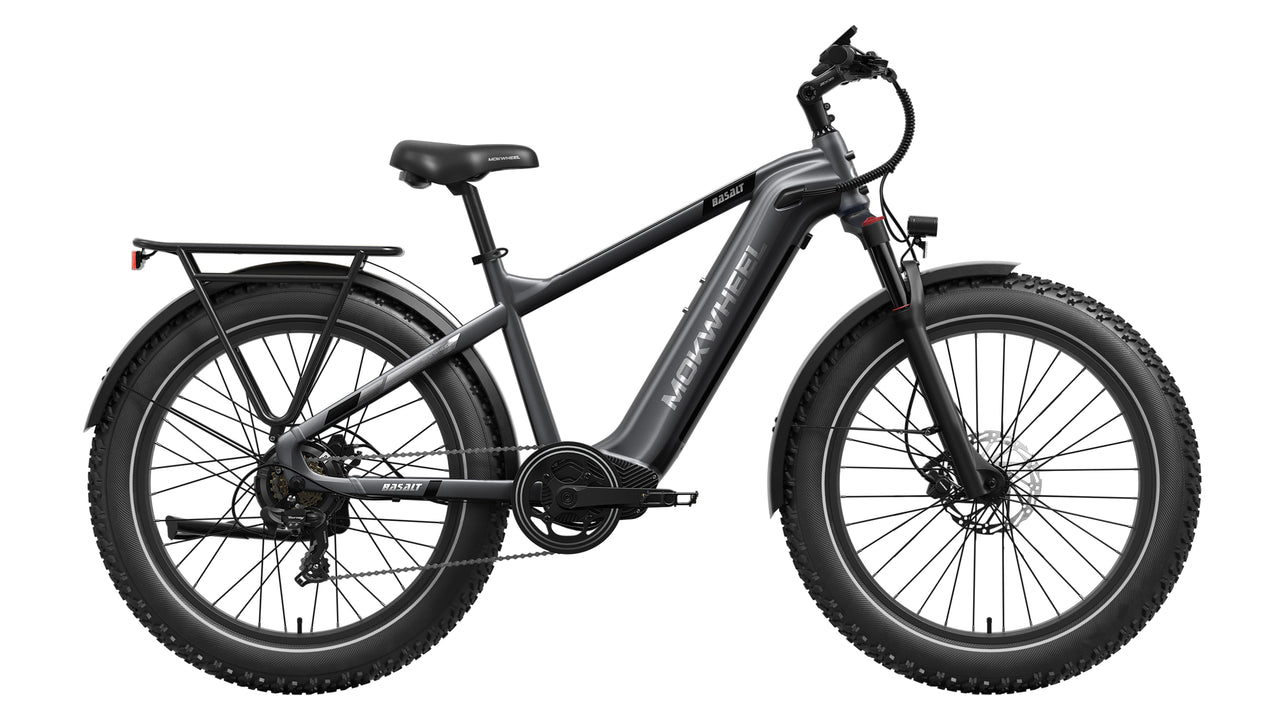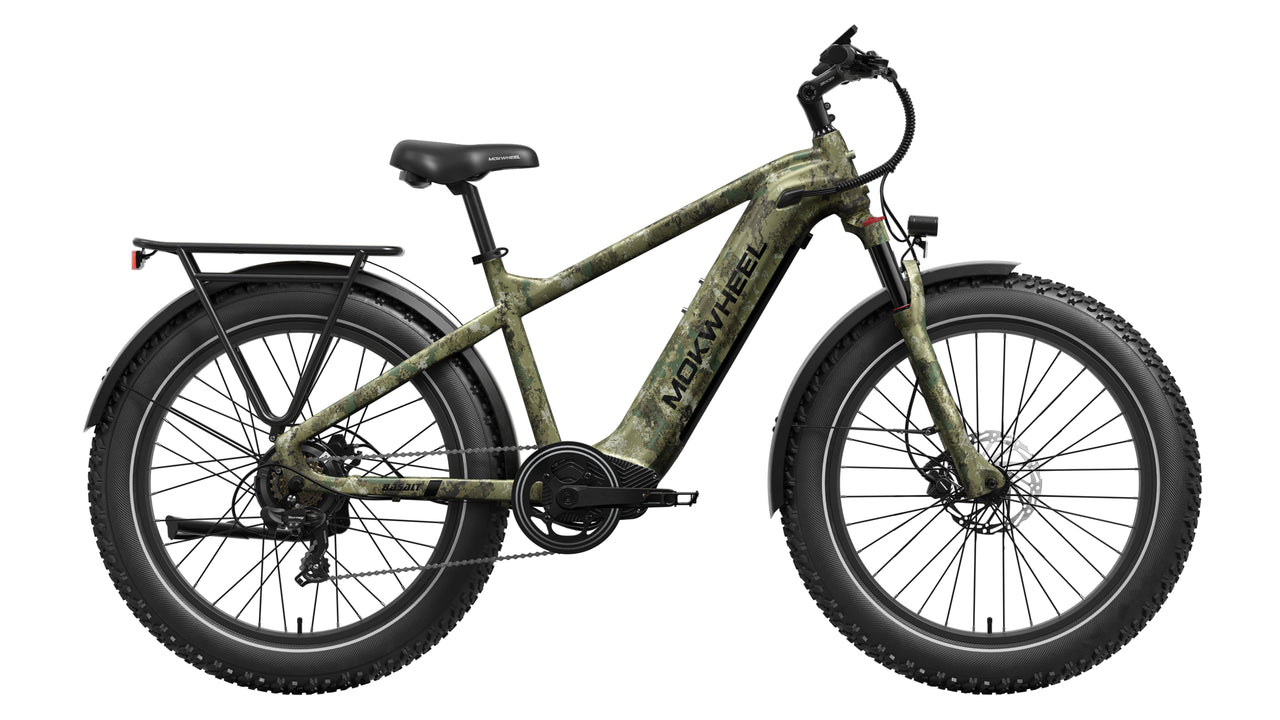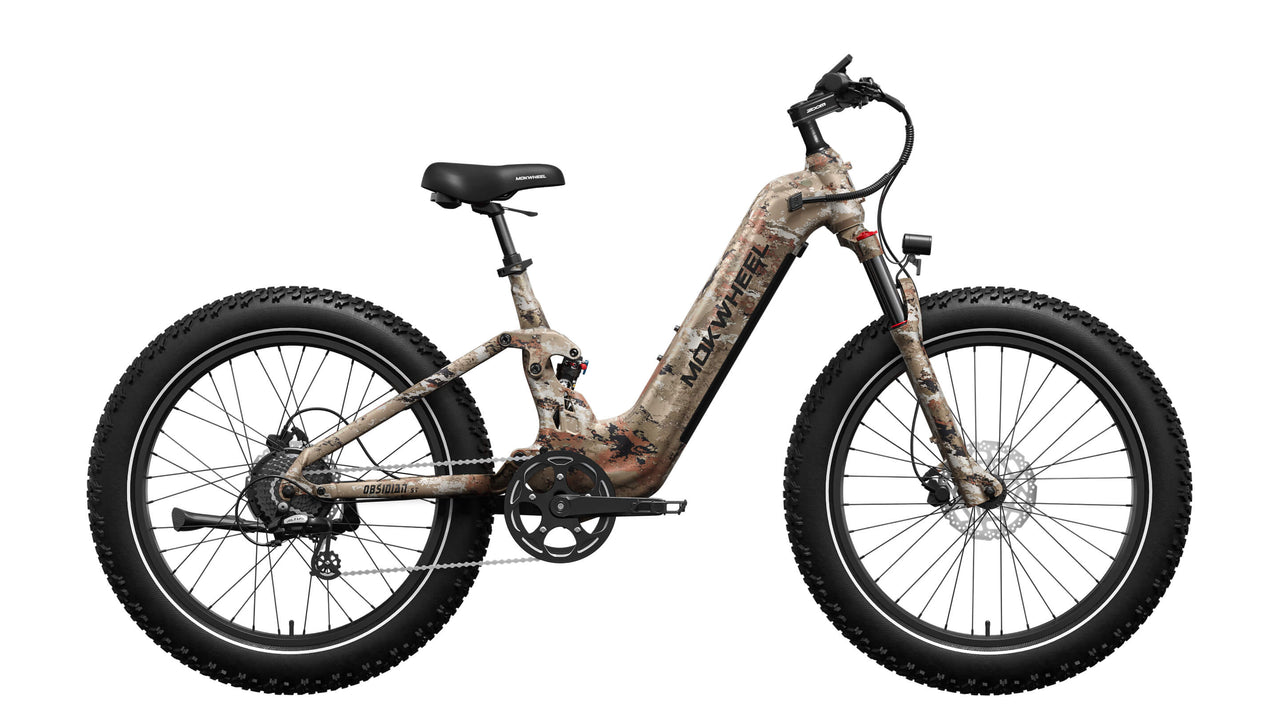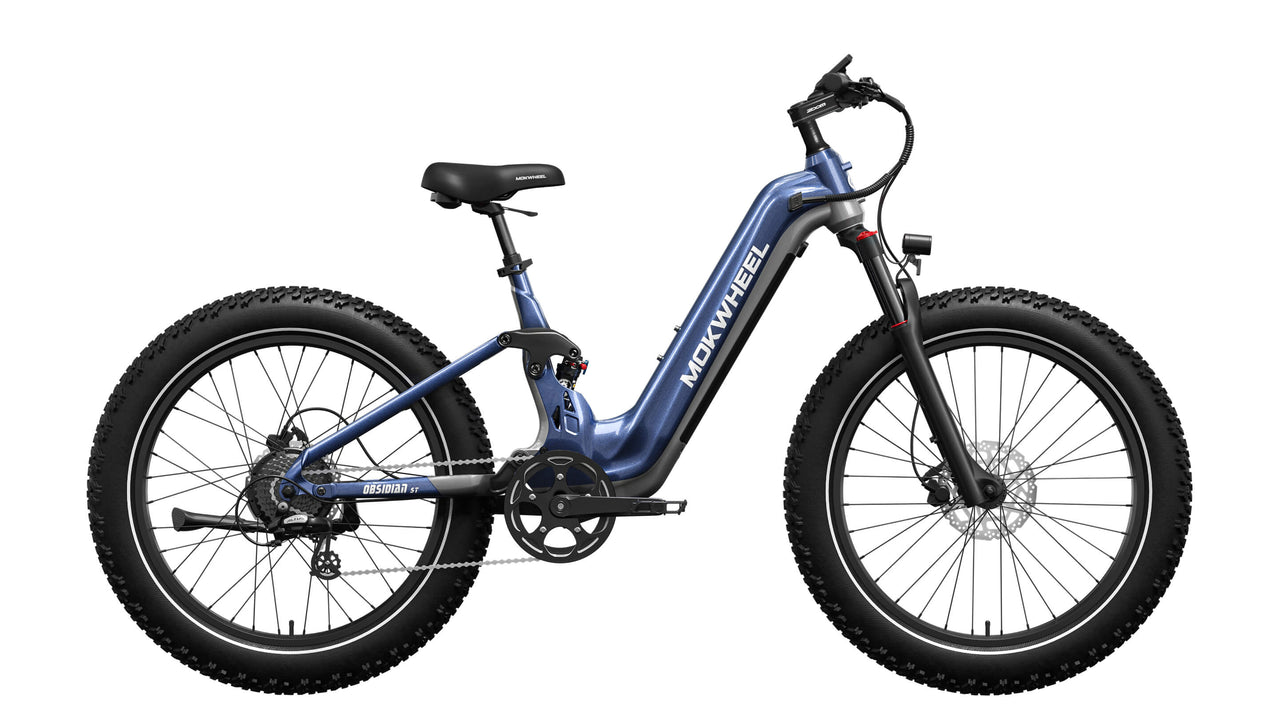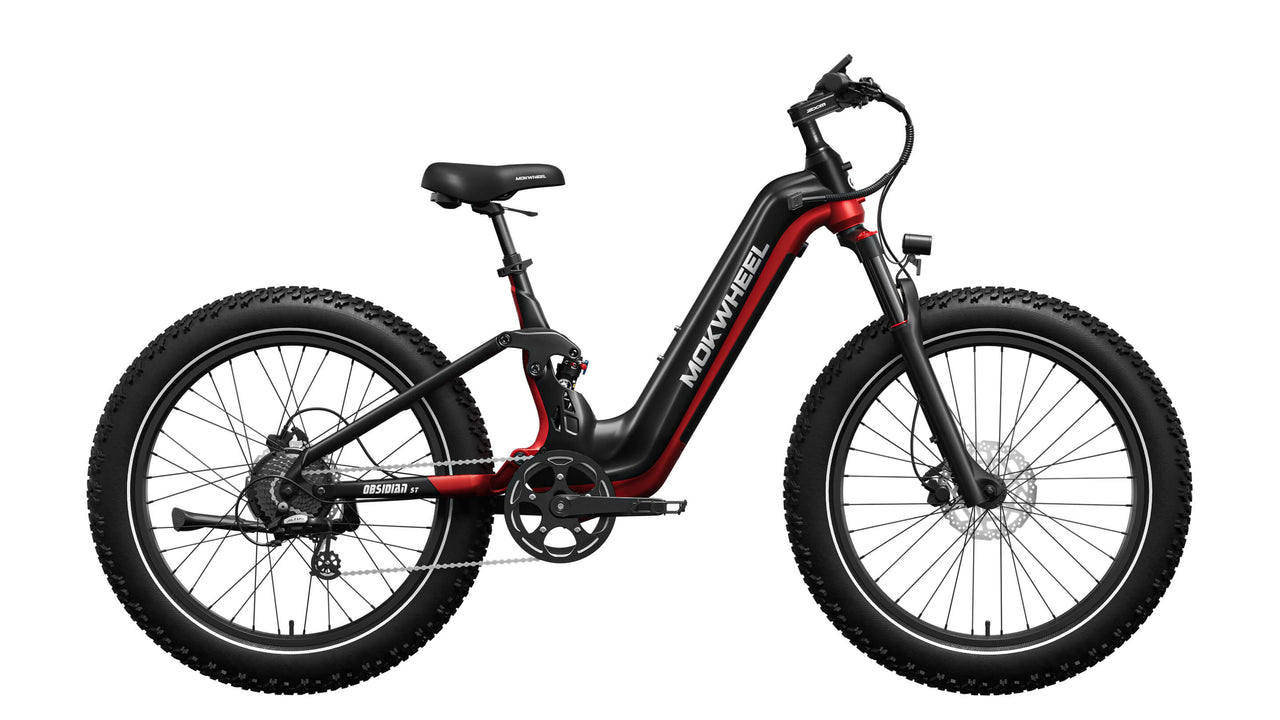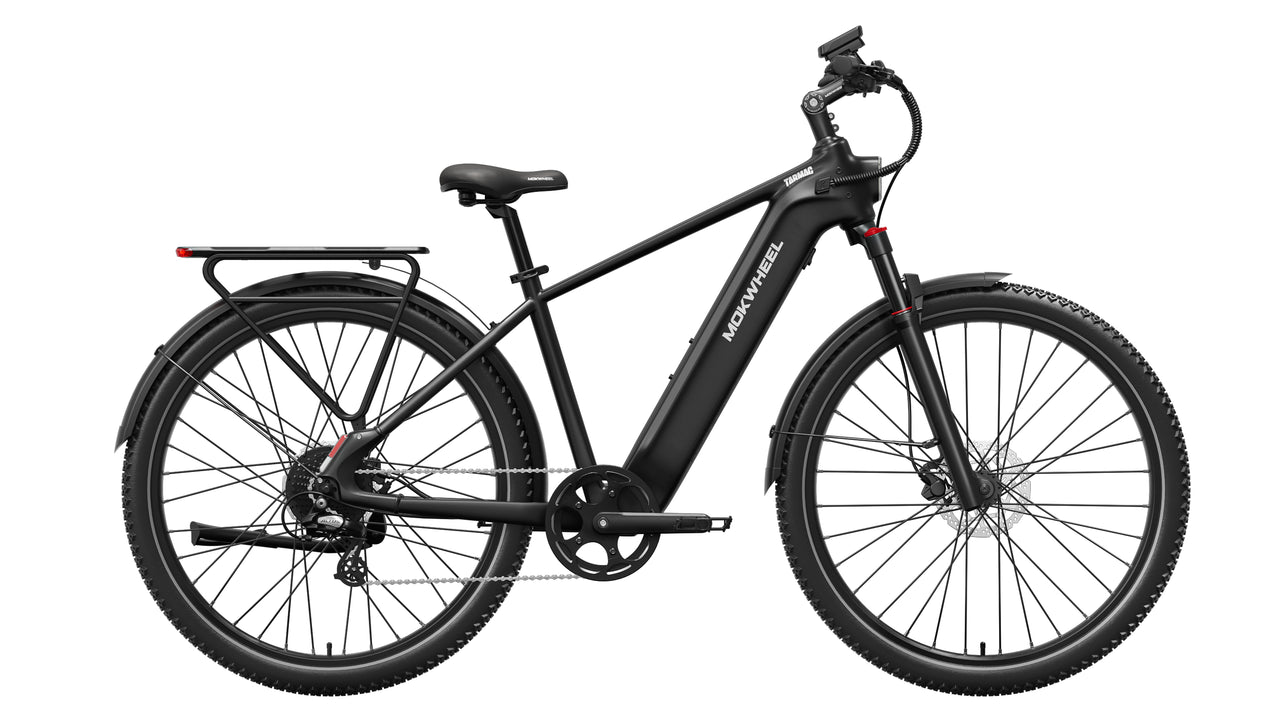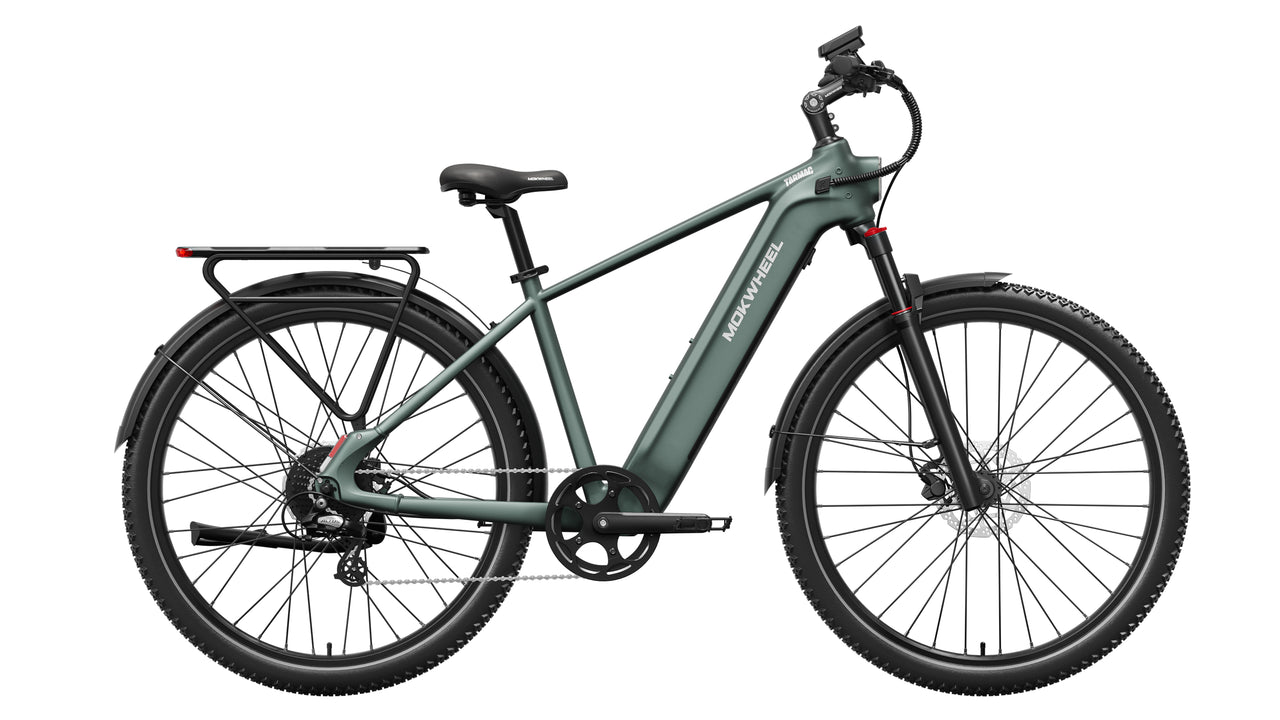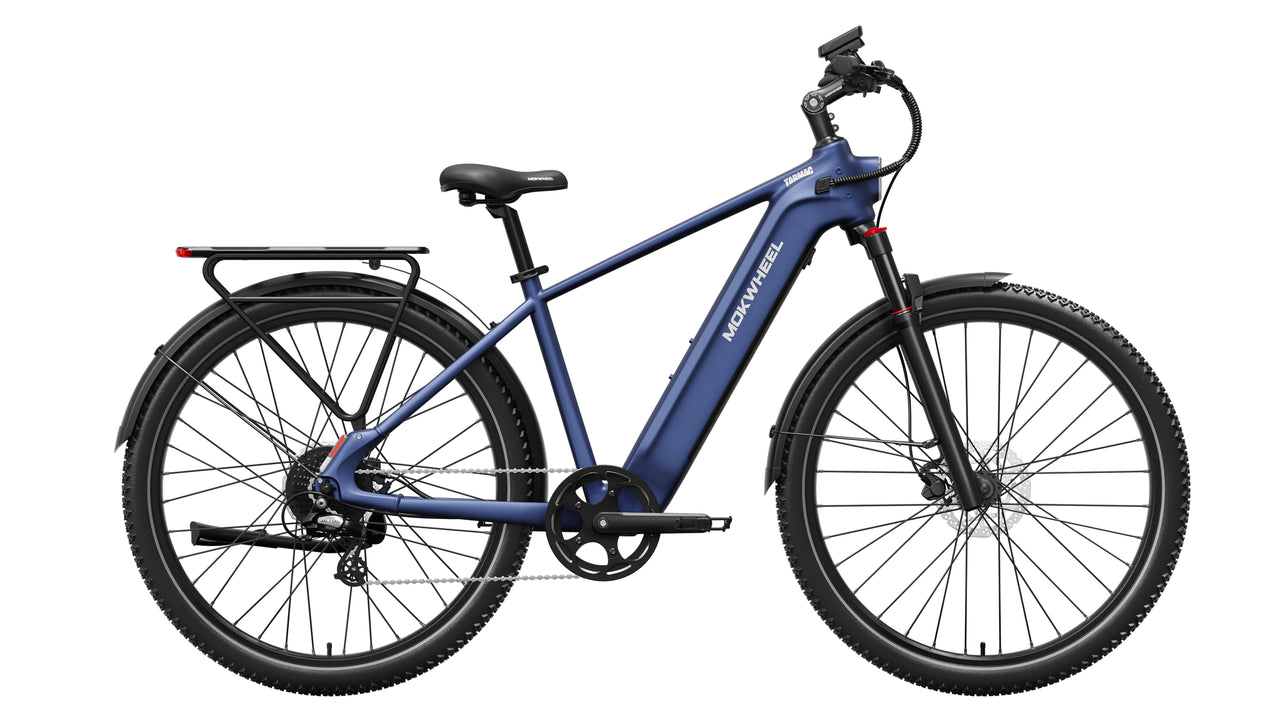

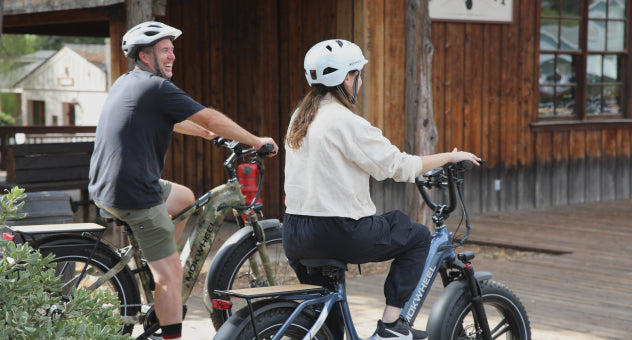












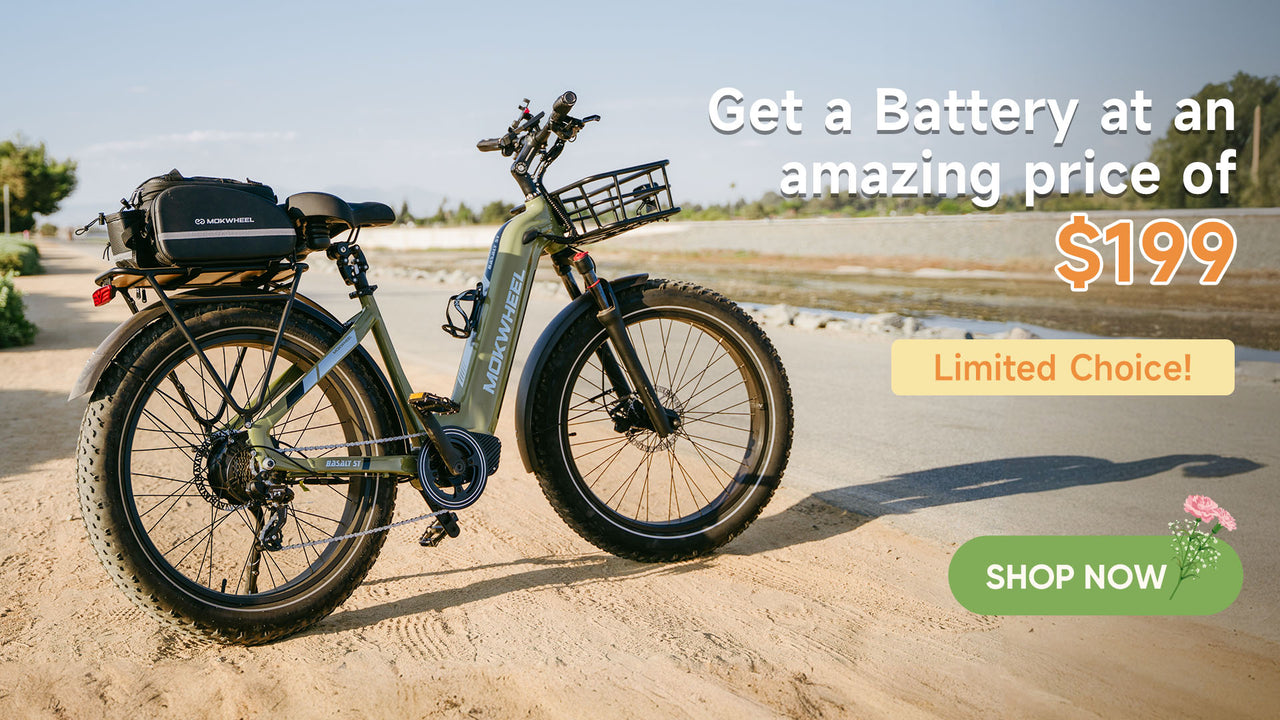
If you’ve been thinking about changing how you commute, there’s a good chance you’ve come across the term electric hybrid bike.
On paper, it sounds like the perfect solution—something that can handle daily rides, occasional detours, and even weekend outings without much effort.
But here’s the real question most people don’t ask out loud:
👉 Is it actually practical for everyday commuting—or just a “do-it-all” idea that sounds better than it works?
If you’re someone who commutes regularly but doesn’t want to rely entirely on traffic, this is worth taking a closer look at.

What Kind of Bike Is It, Really?
The easiest way to think about an electric hybrid bike is this:
It’s not built for extremes.
It’s not as fast and aggressive as a road bike, and it’s not as rugged and heavy as a mountain bike either.
Instead, it sits right in the middle—
the kind of bike you can ride in most real-life situations without overthinking it.
Once you add pedal assist into the mix, something else changes too:
Riding stops feeling like a workout—and starts feeling like a practical way to get around.
You’ll notice it most on hills, in headwinds, or on days when you’re just not feeling 100%.
Why People Actually Stick With It for Commuting
Most people don’t fail at bike commuting because they don’t like it.
They stop because it’s too tiring, too inconsistent, or just inconvenient.
That’s exactly where electric hybrid bikes make a difference.
You’re less likely to skip a ride because of a hill
Less likely to care about the weather
And less likely to feel drained before your day even starts
At some point, it stops feeling like effort—and just becomes part of your routine.
In the City, It’s Not Always Faster—But It’s More Reliable
A lot of people assume driving is faster. Sometimes it is.
But in real city conditions, something else matters more:
👉 Consistency.
Driving comes with variables:
traffic, detours, parking, delays
Riding an e-bike is different:
more flexible routes, fewer unknowns
Most riders will tell you the same thing:
It’s not always faster—but it’s rarely slower.
And for daily commuting, that kind of predictability matters.
Comfort Is What Keeps You Riding
If you only ride occasionally, comfort isn’t a big deal.
But if you’re riding five days a week, it becomes everything.
Electric hybrid bikes are designed to feel natural:
- Upright riding position
- Less strain on your back and wrists
- Balanced, easy handling
It’s the kind of ride that doesn’t make you think twice about getting back on the bike the next day.
Real Life Isn’t Just “Commute and Done”
Most people don’t live in a straight line between home and work.
You might:
- Stop by the store on your way home
- Take a slightly different route
- Head out for a casual ride on the weekend
That’s one of the biggest reasons people lean toward hybrid e-bikes instead of strictly commuter models.
They don’t limit how you use them.
One day it’s your commute, the next it’s your weekend ride.
How Does It Handle Different Commute Distances?
For shorter commutes (around 3–10 miles), it’s honestly one of the best options out there.
It’s quick, easy, and doesn’t feel like effort.
For mid-range commutes (10–20 miles), it still holds up well. The motor support makes a big difference in reducing fatigue.
And here’s something interesting:
The more mixed your route is, the more sense a hybrid bike makes.
If you’re dealing with gravel, park paths, or uneven roads, it feels more stable than a standard commuter bike.
What Actually Matters When Choosing One?
It’s easy to get caught up in specs, but for commuting, a few things matter most:
- Whether the range comfortably covers your daily ride
- Whether the power delivery feels smooth and reliable
- Whether the bike is comfortable enough to ride every day
In most cases:
40–80 miles of range is more than enough
500W–750W motors are right in the sweet spot
After that, it really comes down to one question:
👉 Do you actually want to ride it every day?
Why More People Are Switching
It’s not because hybrid e-bikes are trendy.
It’s because they’re practical.
You’re less dependent on traffic
You don’t have to deal with parking
And your daily costs go down
But more importantly—
Your commute starts to feel different.
For a lot of people, it shifts from something they have to do
to something they don’t really mind anymore.
Looking at Real-World Use
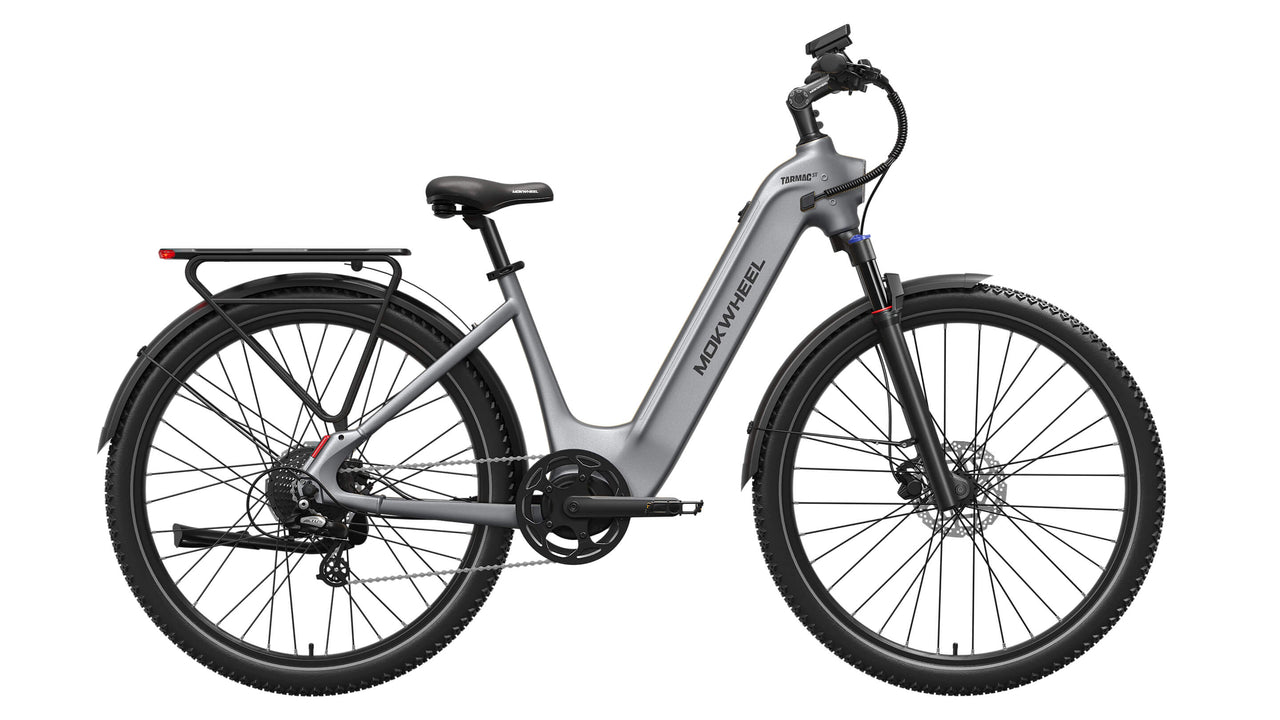
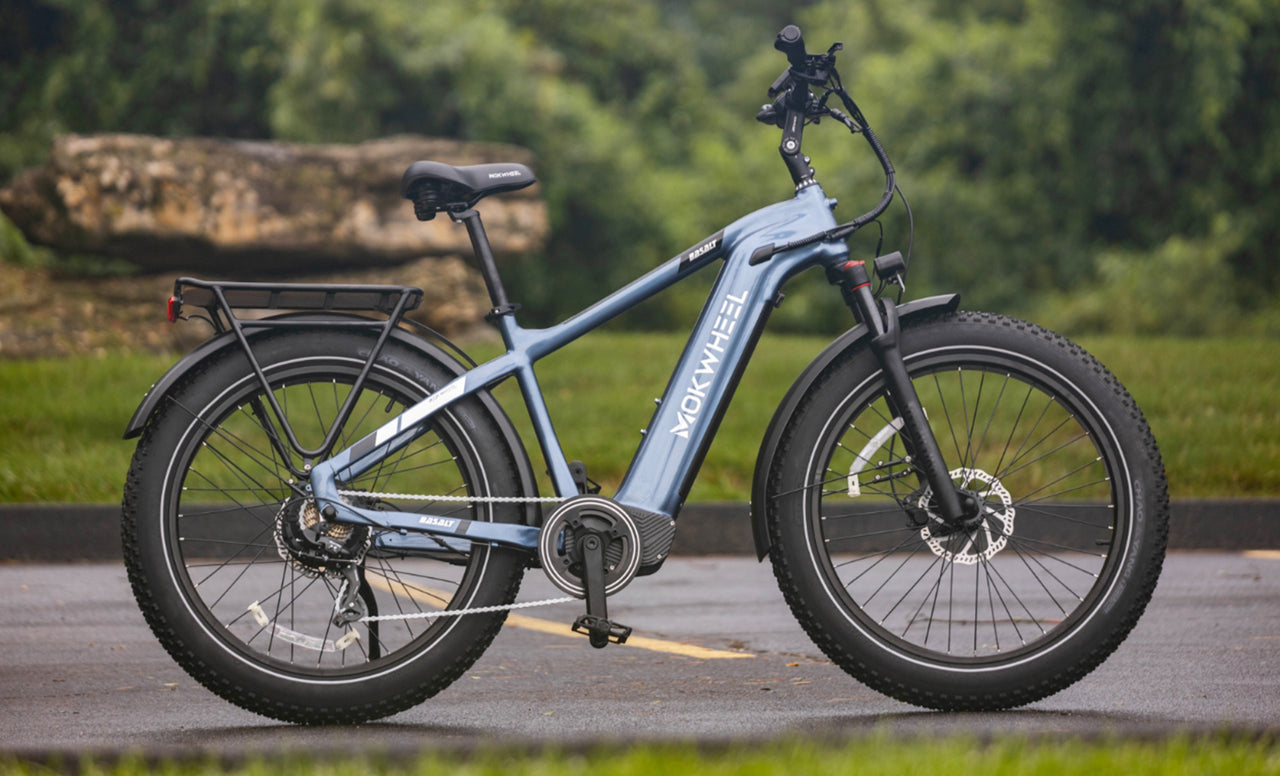
If you look at commuter-focused models like the Mokwheel Asphalt, the design priorities are pretty clear:
- Around 60 miles of range, which works well for daily use
- Stable, comfortable ride for city streets
- Enough power to handle hills without stress
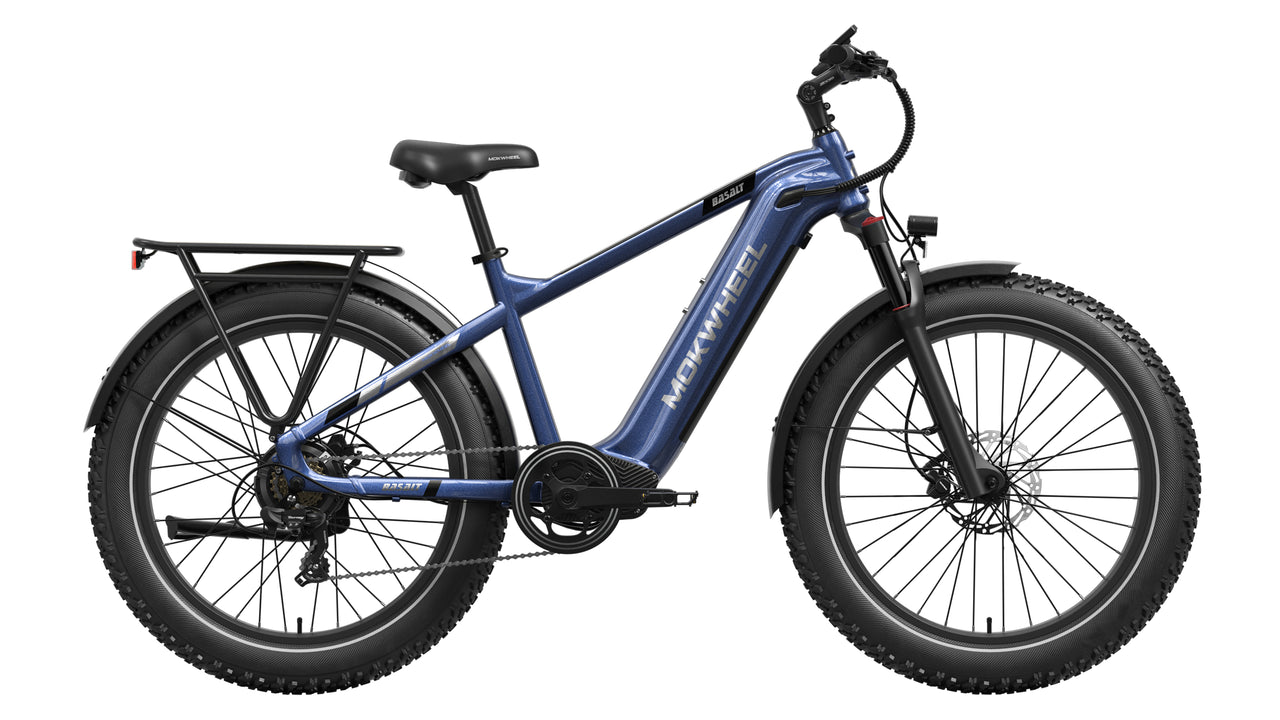
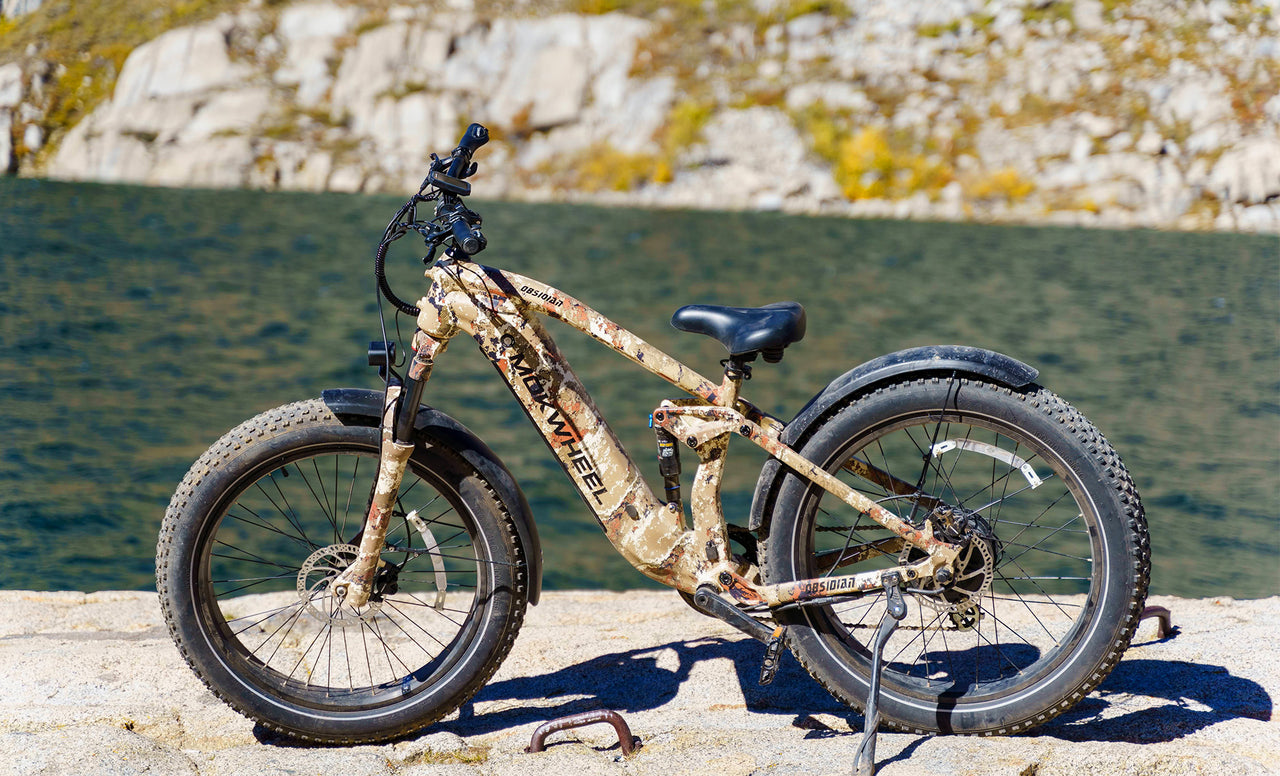
If your routes are a bit more varied—like gravel paths or longer weekend rides—then more all-terrain hybrid-style options can give you extra flexibility.
At the end of the day, it’s not about picking the “best” bike.
👉 It’s about choosing one that actually fits how you ride.
Asphalt-blog
So, Is It a Good Choice?
Yes—especially if you’re looking for something that makes commuting easier without overcomplicating things.
It won’t magically make every ride faster.
But it will make your commute feel a lot more manageable.
And at some point, you may notice something unexpected—
You’re not forcing yourself to commute anymore.
You’ve just gotten used to riding.