

















The 2026 FIFA World Cup will be hosted across the United States, Canada, and Mexico, with the majority of matches taking place in the U.S. From Los Angeles to New York, Miami to Seattle, this won’t just be a soccer tournament—it’ll be a nationwide travel challenge.
For many fans, what really affects the experience isn’t just the game itself—it’s whether you can actually get to the stadium without stress.
Some people don’t even make it inside before they’ve already run out of patience on the road.
A lot of fans are already searching things like:
“How do I get to the stadium on game day?” or “How can I avoid traffic during the World Cup?”
If that sounds like you, this guide will give you a more realistic way to plan ahead.

Why Game Day Traffic Gets So Bad
Game day traffic isn’t just your typical slowdown—it’s a surge.
In the hours leading up to a match, tens of thousands of people are all heading toward the same location. Roads around stadiums often get closed or redirected, and parking fills up quickly—sometimes long before kickoff.
A lot of people have had this experience: you leave early, thinking you’ve planned it well, and still end up stuck just a few miles from the stadium, barely moving.
In most cases, the congestion comes down to a few key factors:
- A sudden surge of fans heading to the same area
- Temporary road closures and traffic rerouting
- Limited parking availability near the stadium
- Everyone leaving at the same time after the game
When all of this happens at once, traffic doesn’t just get slower—it becomes unpredictable.
And honestly, that’s the most frustrating part. It’s not just the delay—it’s not knowing how long you’ll be stuck.
How to Get to World Cup Stadiums in the U.S. (City-by-City Overview)
Instead of scrambling at the last minute, it helps to have a general idea of what to expect in each city.
The 2026 World Cup will be hosted across the U.S., Canada, and Mexico. The list below focuses on major U.S. host cities and stadiums to help you plan ahead.
If you’re searching for:
how to get to World Cup stadium / stadium transportation tips
This quick overview should help:
| City | Stadium | Main Issue | Travel Tip |
|---|---|---|---|
| Los Angeles | SoFi Stadium | Heavy highway congestion | Leave early, avoid main routes |
| New York | MetLife Stadium | Cross-state traffic | Use public transit + connections |
| Dallas | AT&T Stadium | Limited parking | Park outside and move in |
| Kansas City | Arrowhead Stadium | Traffic bottlenecks | Plan your route in advance |
| Houston | NRG Stadium | Heat + congestion | Avoid peak heat hours |
| Miami | Hard Rock Stadium | Event traffic | Avoid post-game rush |
| Atlanta | Mercedes-Benz Stadium | Downtown congestion | Plan entry/exit routes |
| Philadelphia | Lincoln Financial Field | Clustered venues | Arrive early |
| Seattle | Lumen Field | Dense urban layout | Minimize time in core areas |
| Bay Area | Levi’s Stadium | Heavy commuting traffic | Avoid rush hours |
| Boston | Gillette Stadium | Limited transit options | Plan ahead for return trip |
If you’re specifically looking up something like:
how to get to SoFi Stadium / MetLife Stadium traffic / parking near AT&T Stadium
You’ll notice a pattern:
The closer you get to the stadium, the less control you have over your timing.
Getting to the Stadium: It’s Not Just About the Route
Most people spend time planning the “best route,” but overlook something more important.
On game day, even the best route can fail.
A lot of fans assume, “I planned ahead, I should be fine.” But once you’re there, it often doesn’t work out that way.
When everyone drives, highways get congested, parking becomes a challenge, and leaving the stadium can take longer than expected.
That’s why more people are starting to rethink how they get around.
Instead of relying entirely on a car, some are choosing more flexible options—especially for the last few miles.
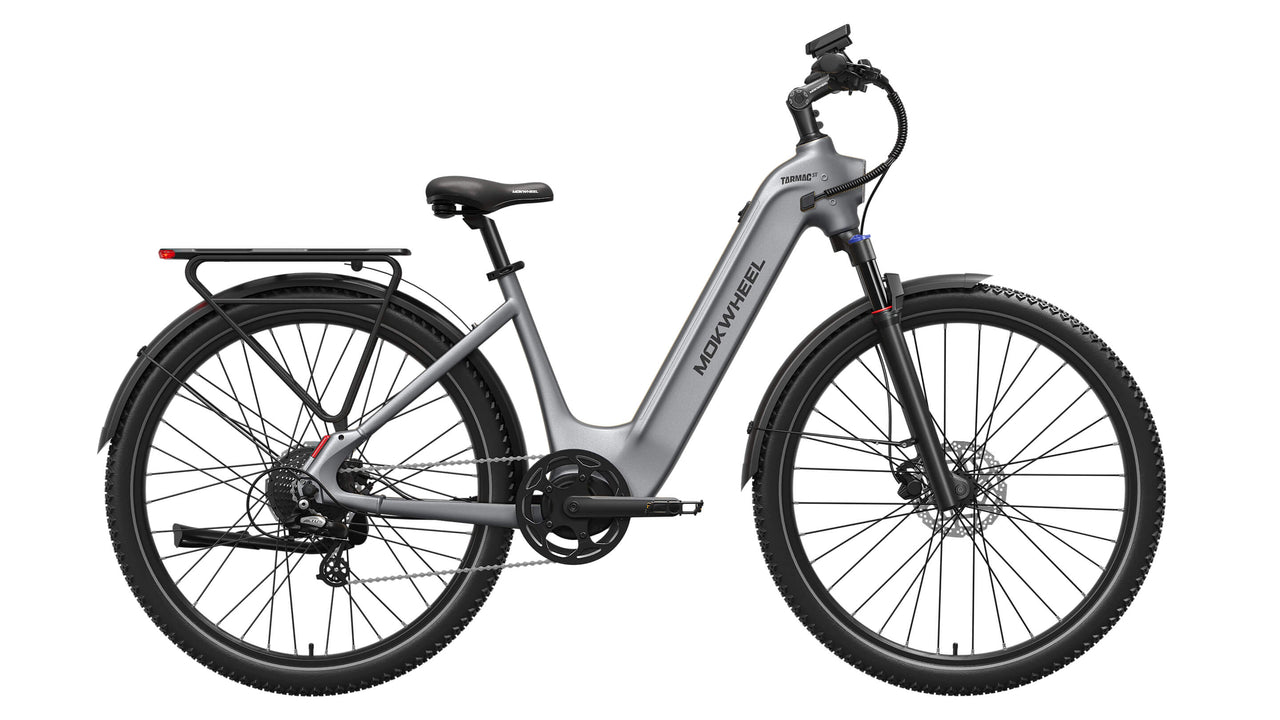
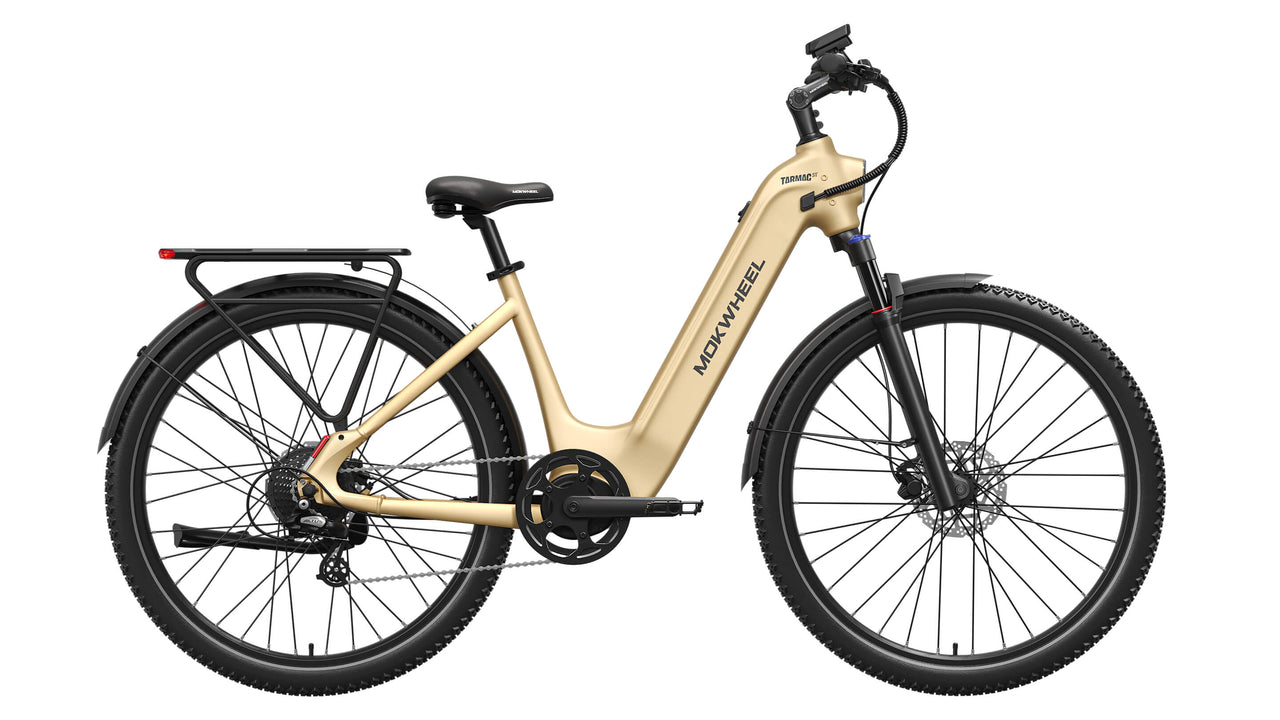
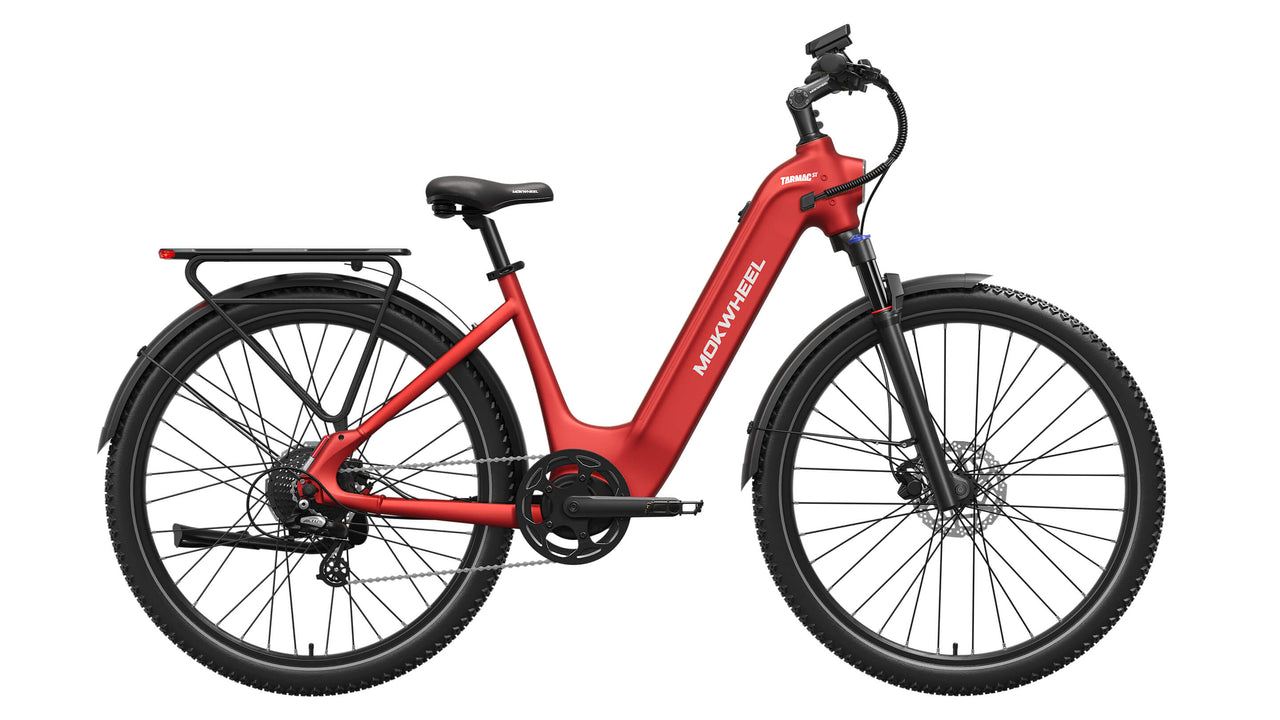
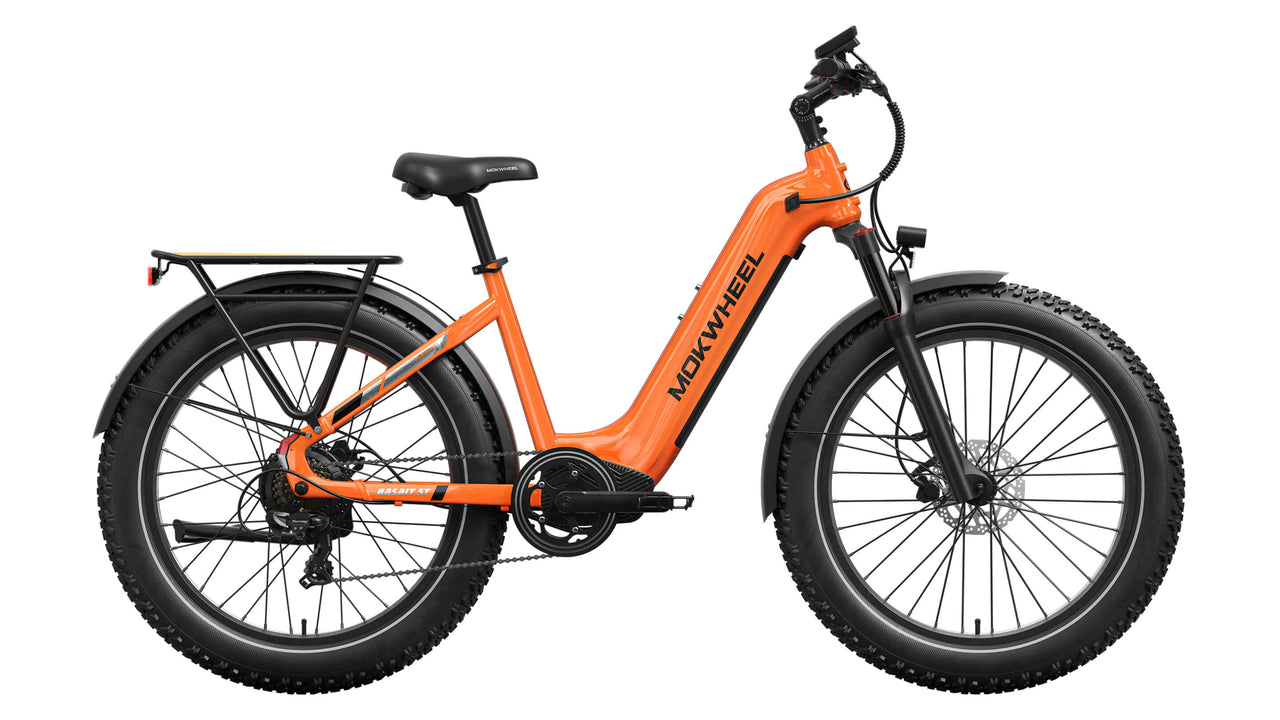
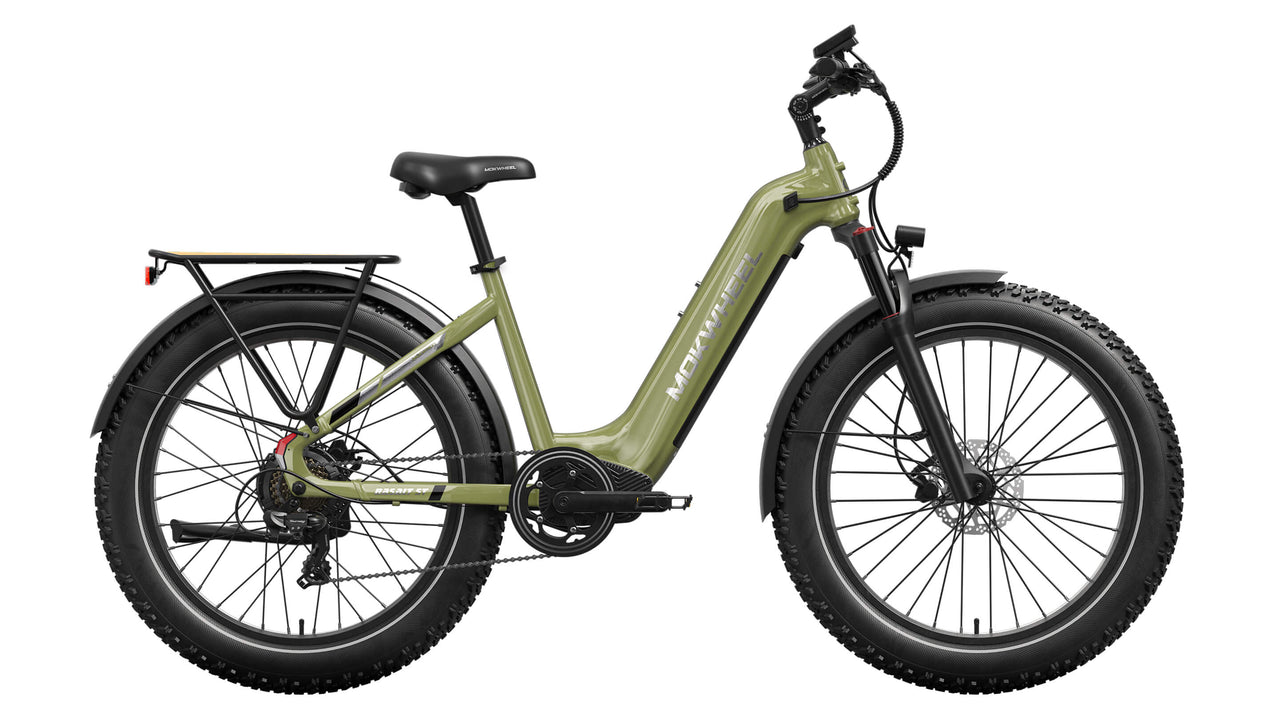
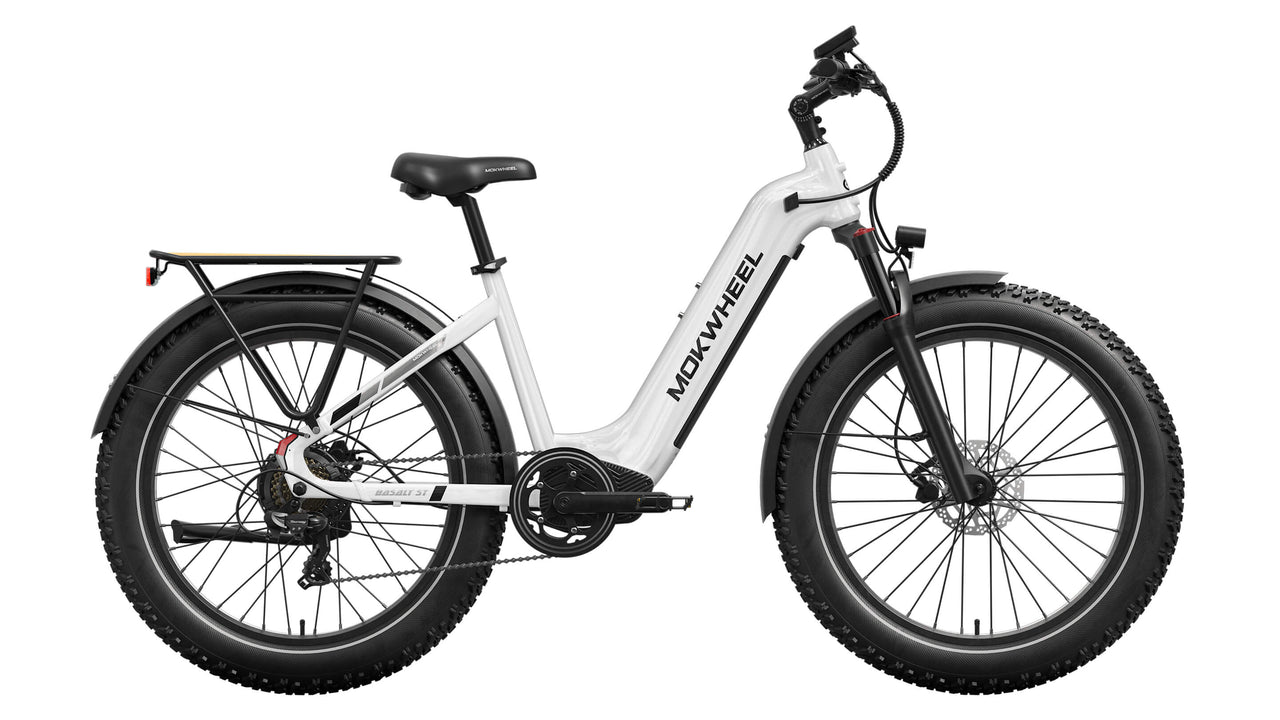
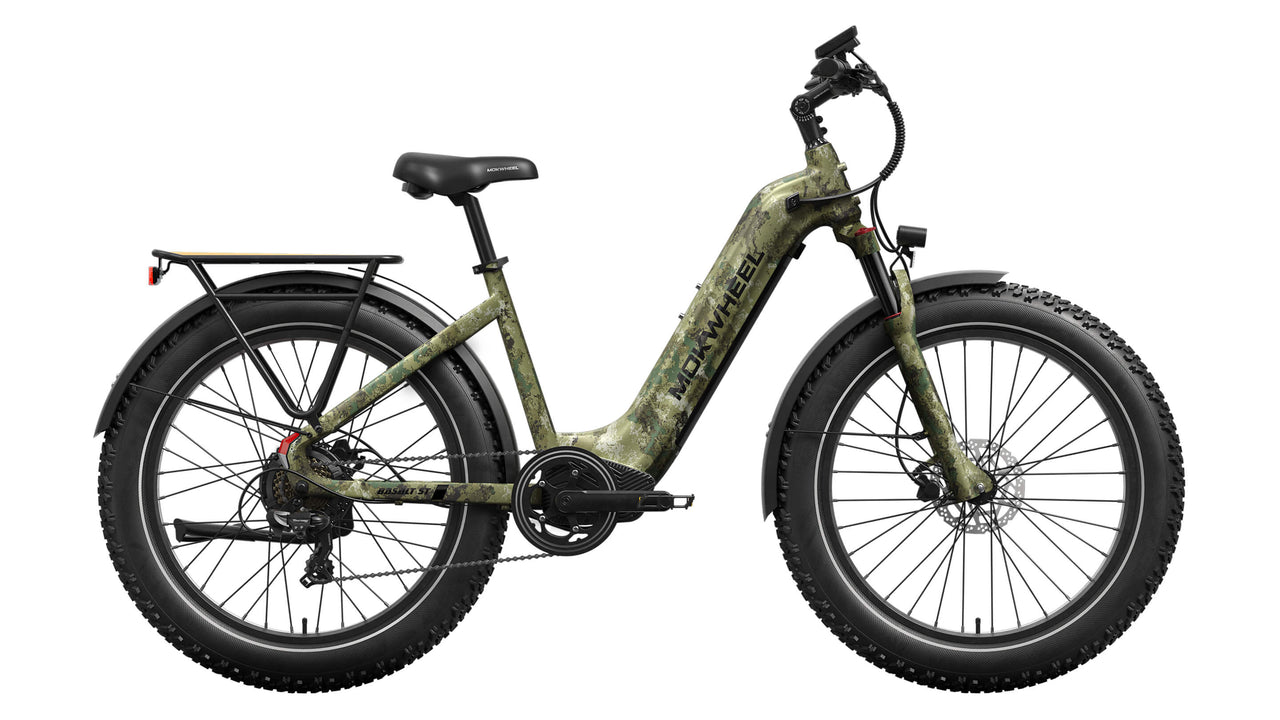
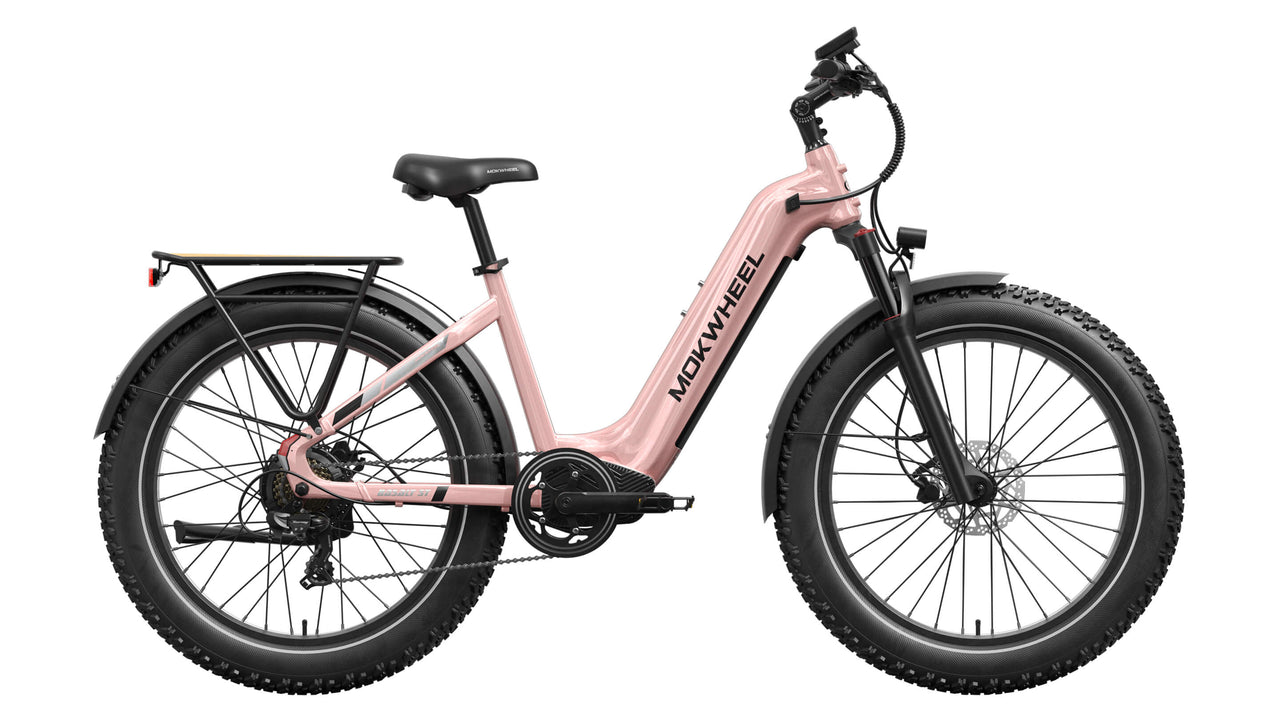
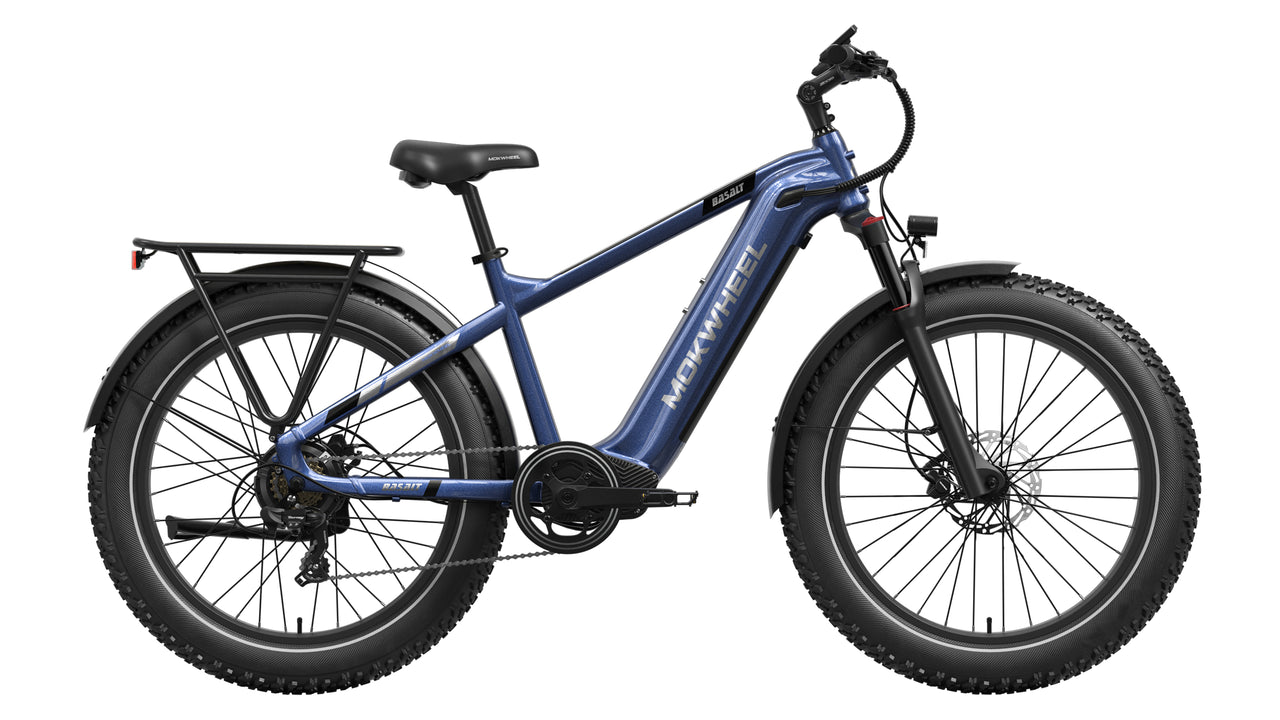
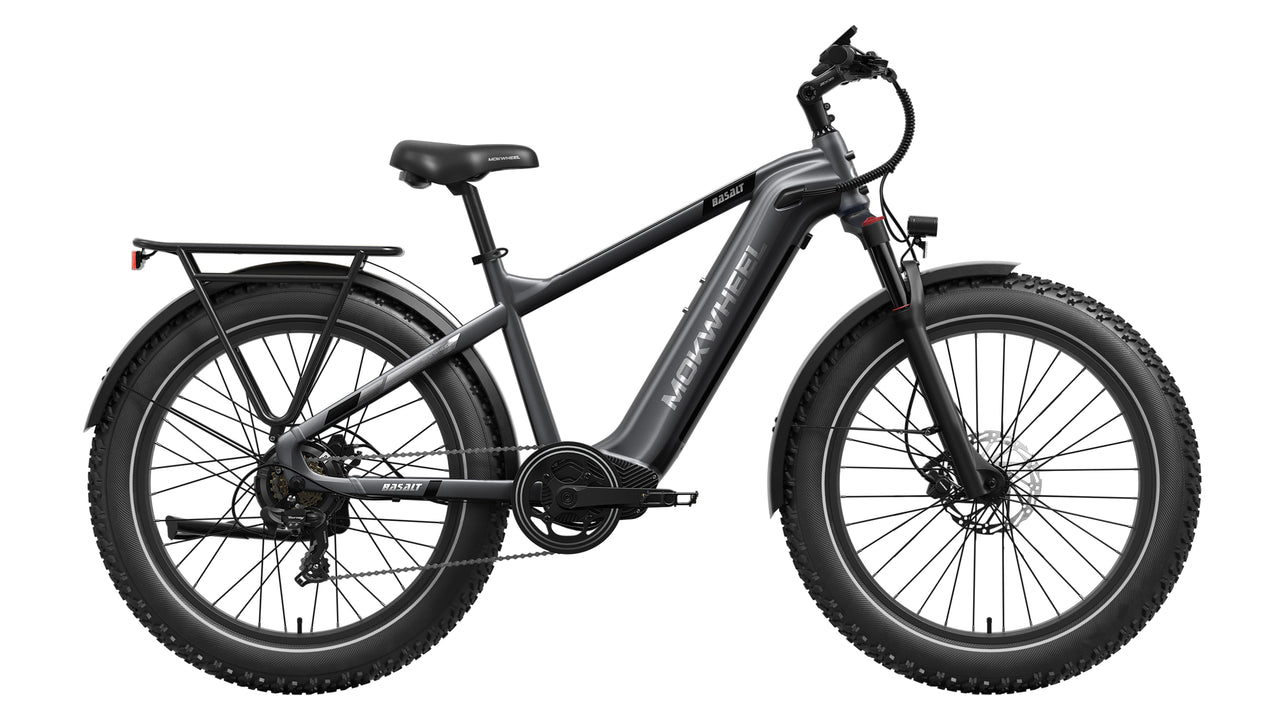
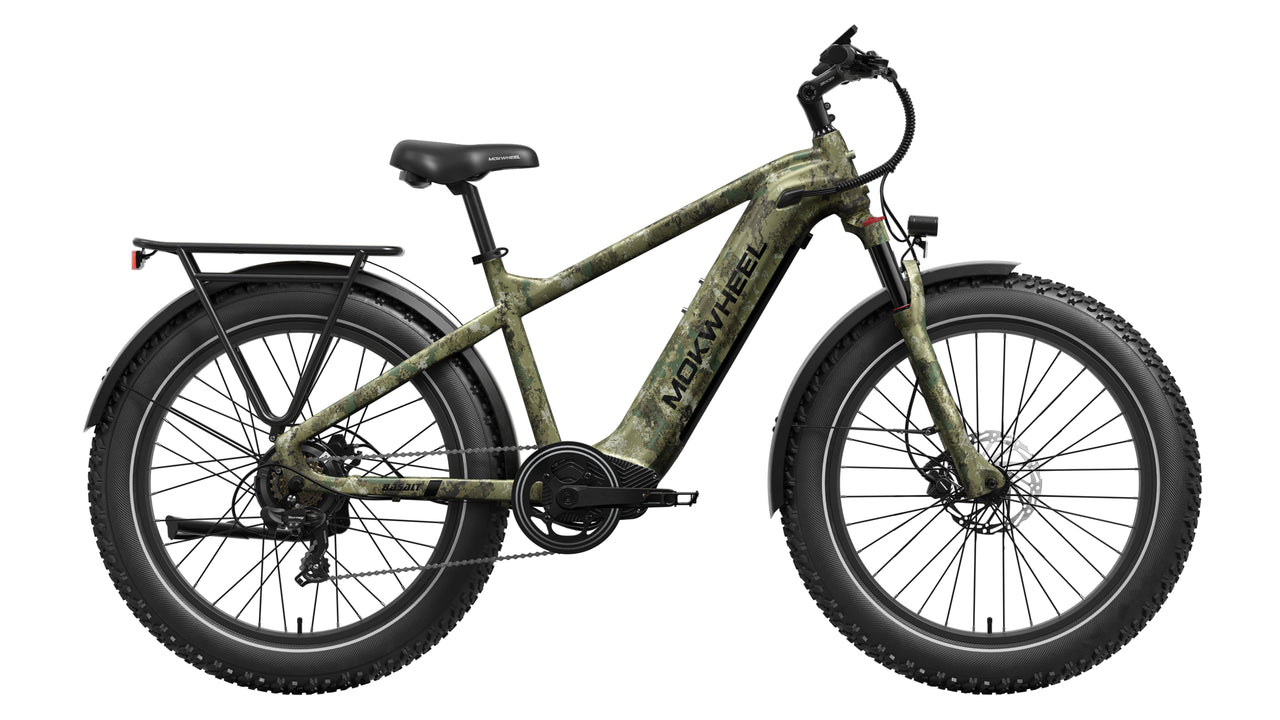
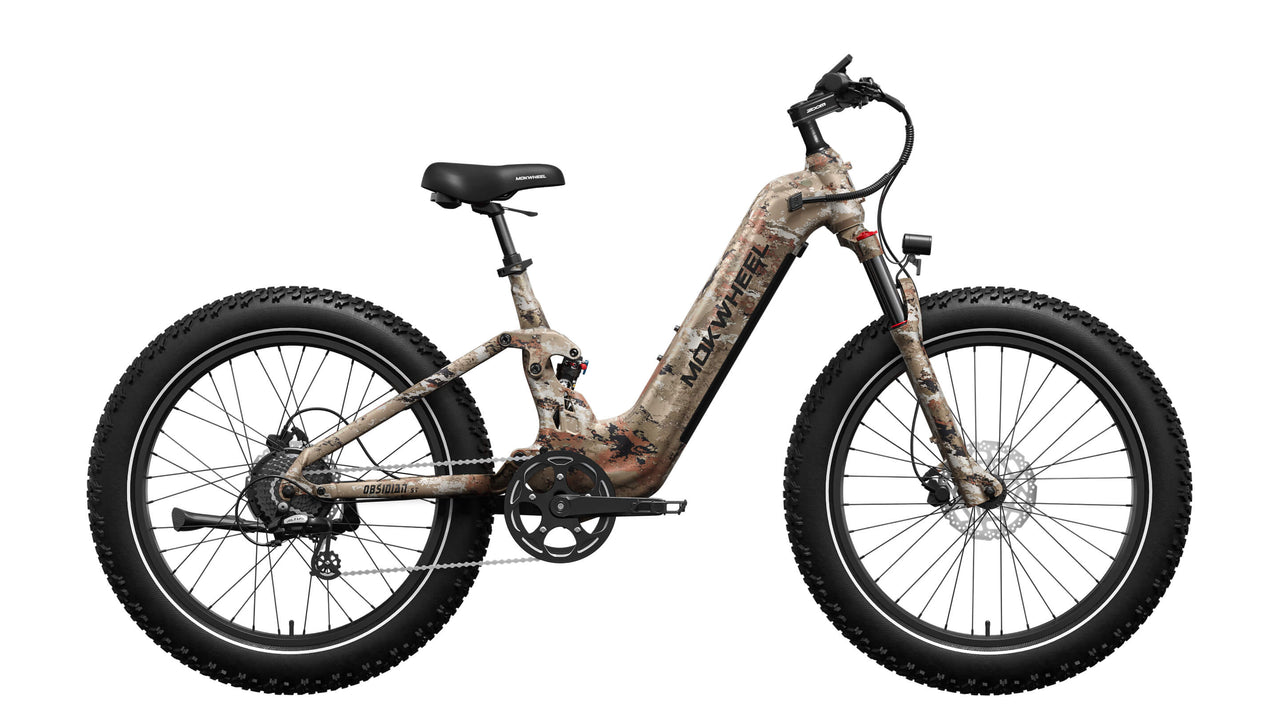
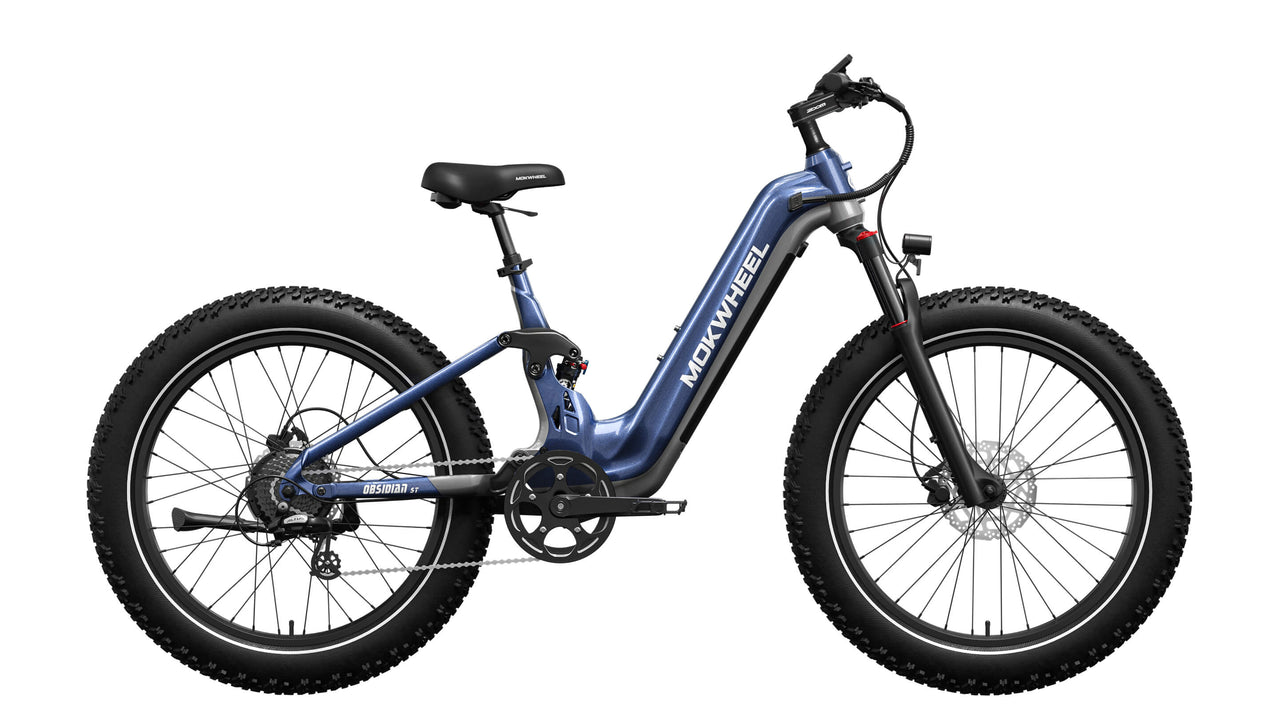
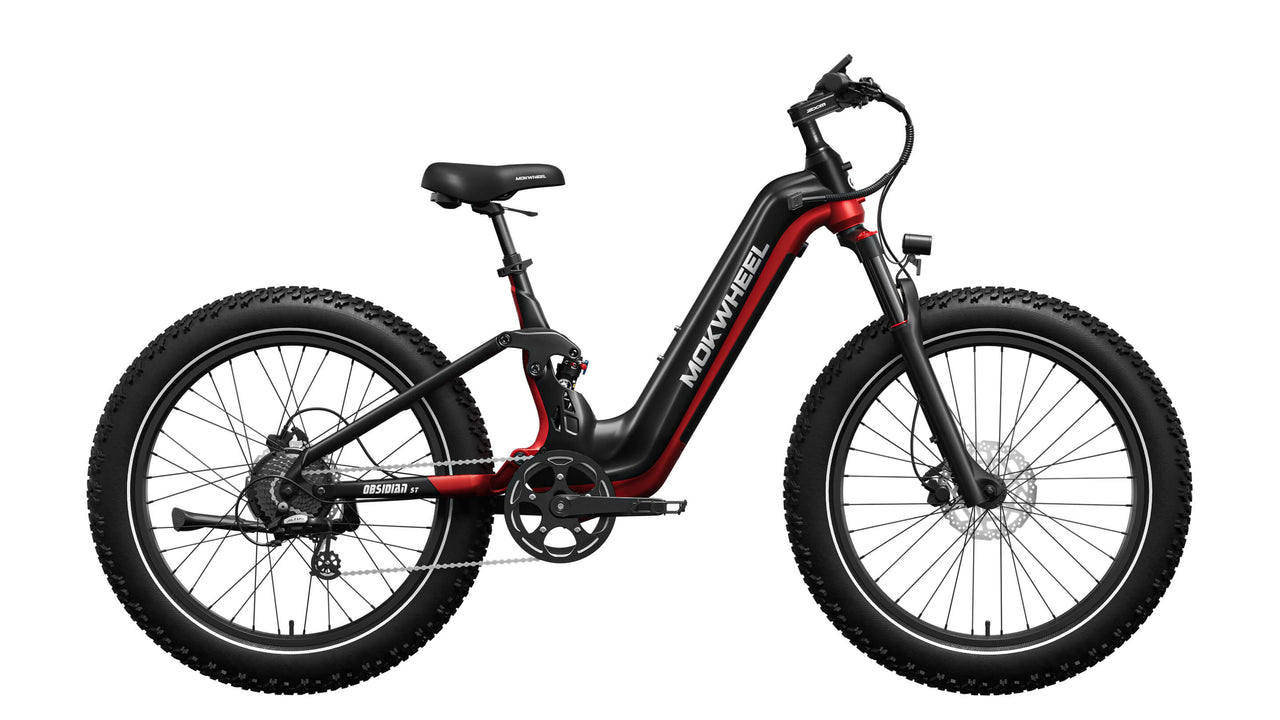
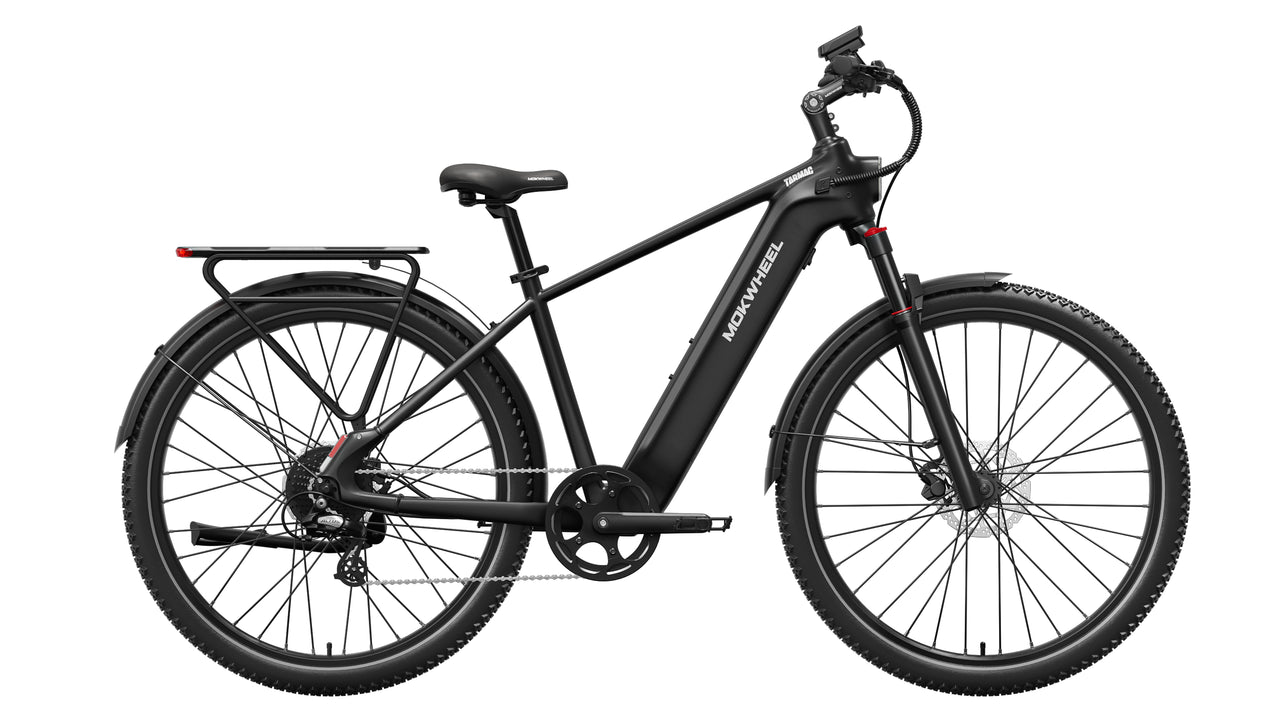
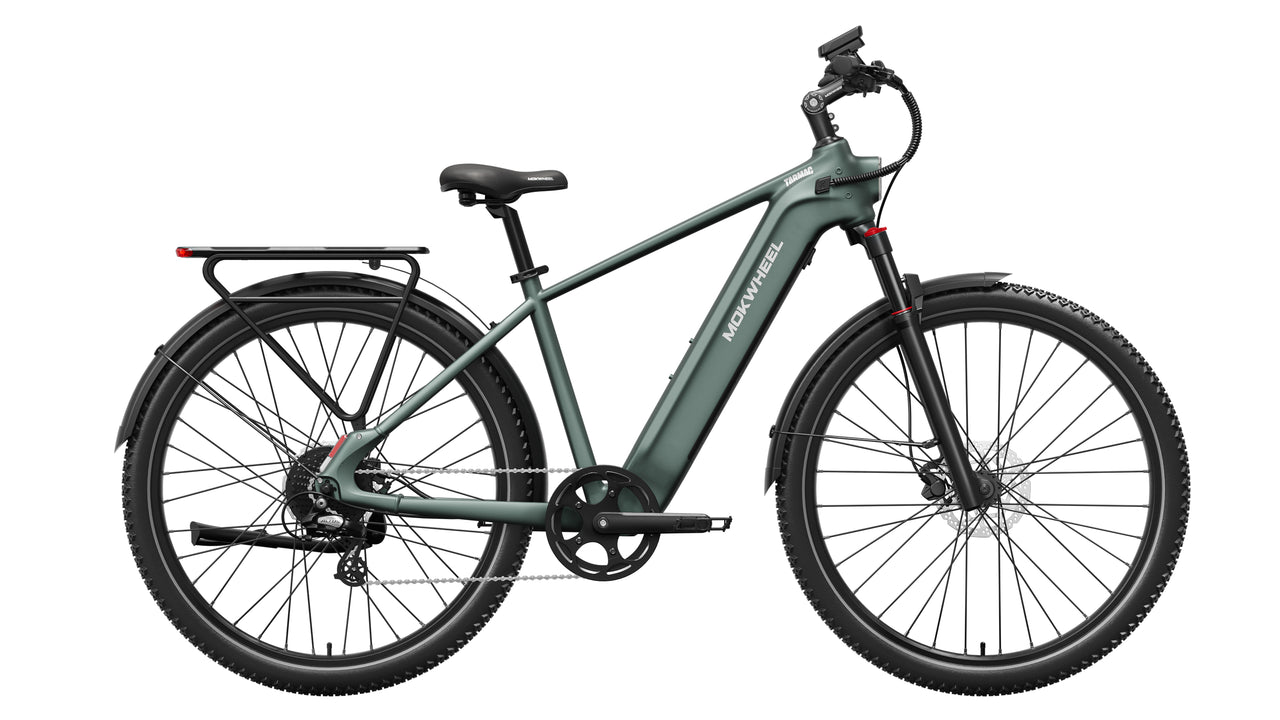
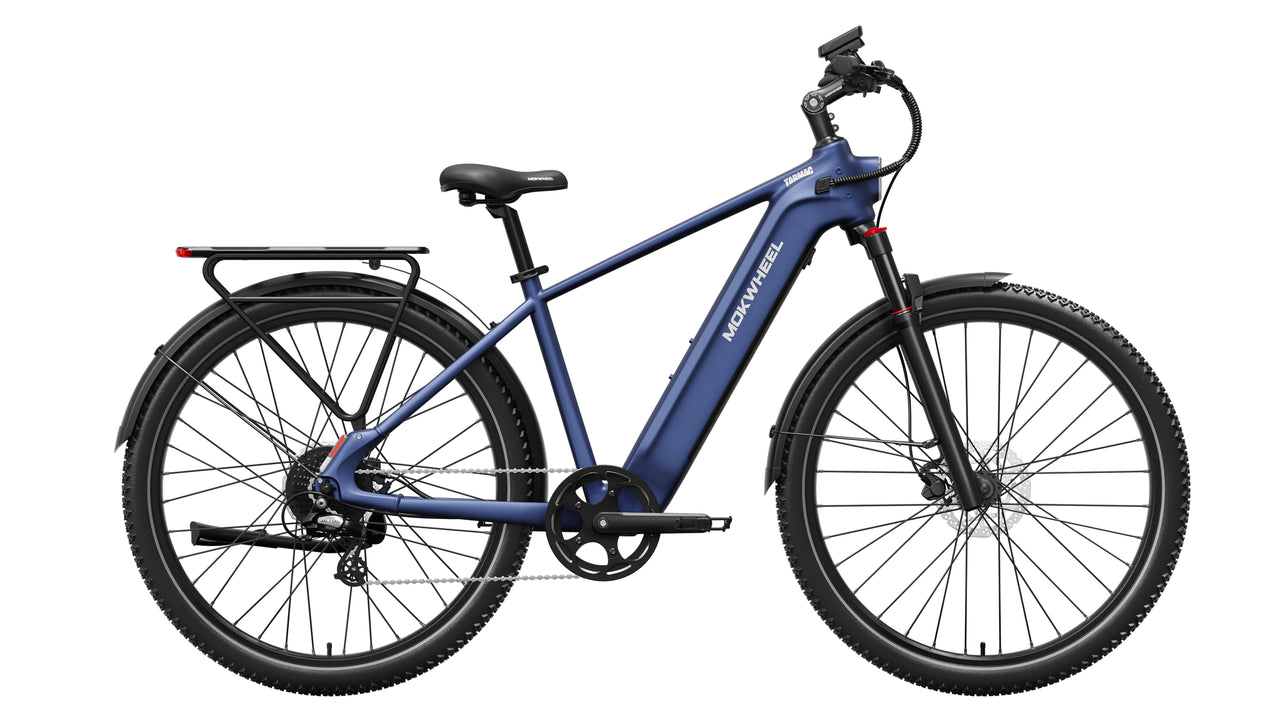
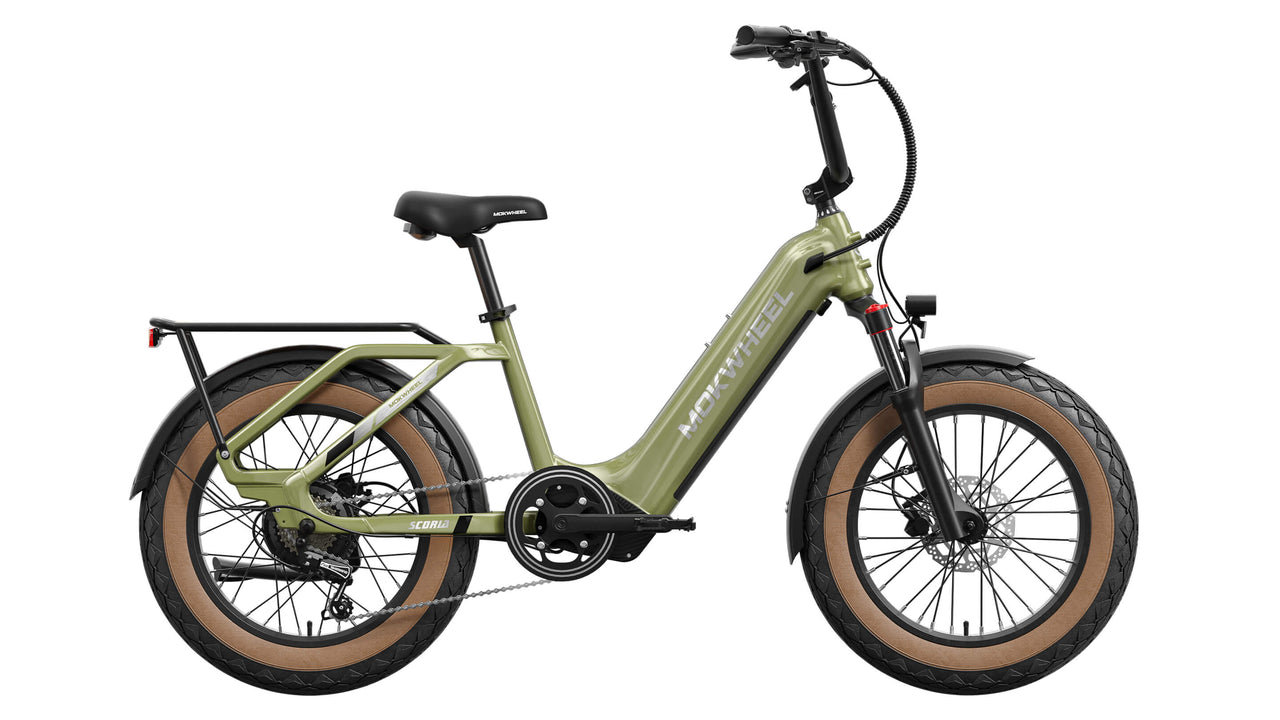
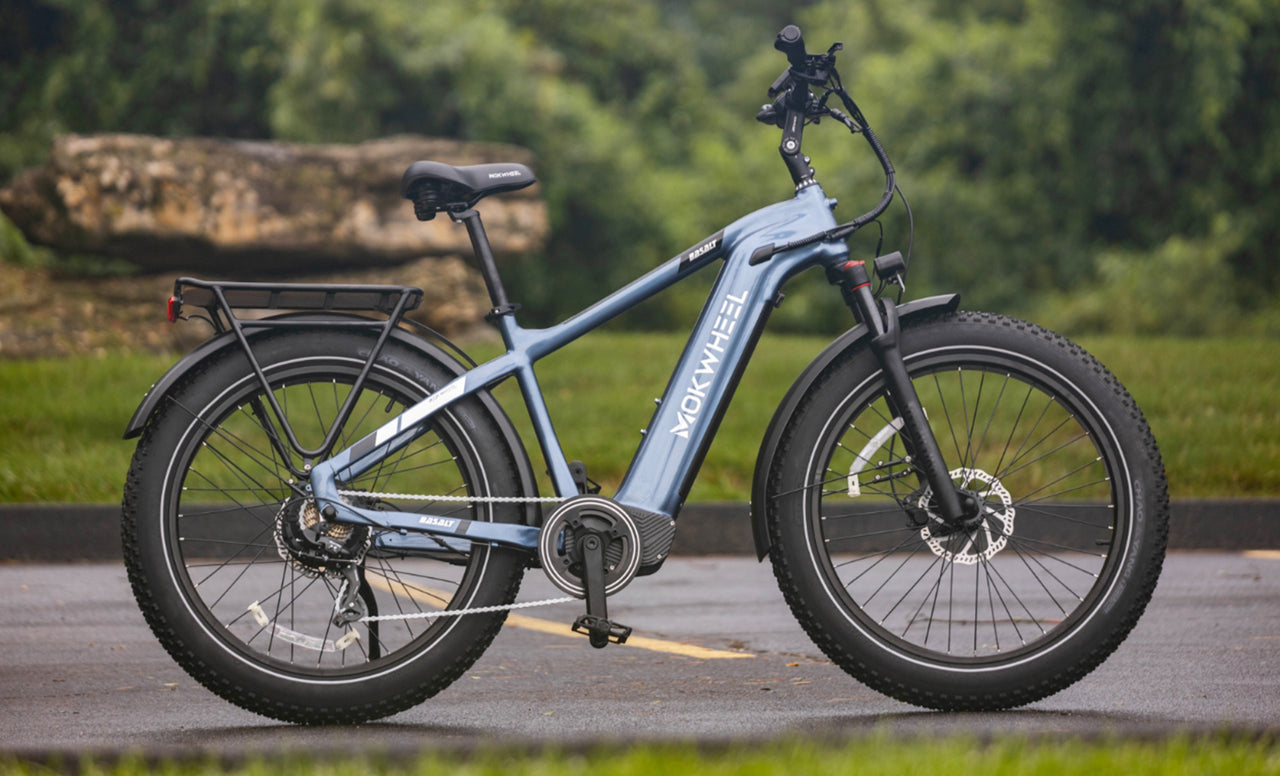
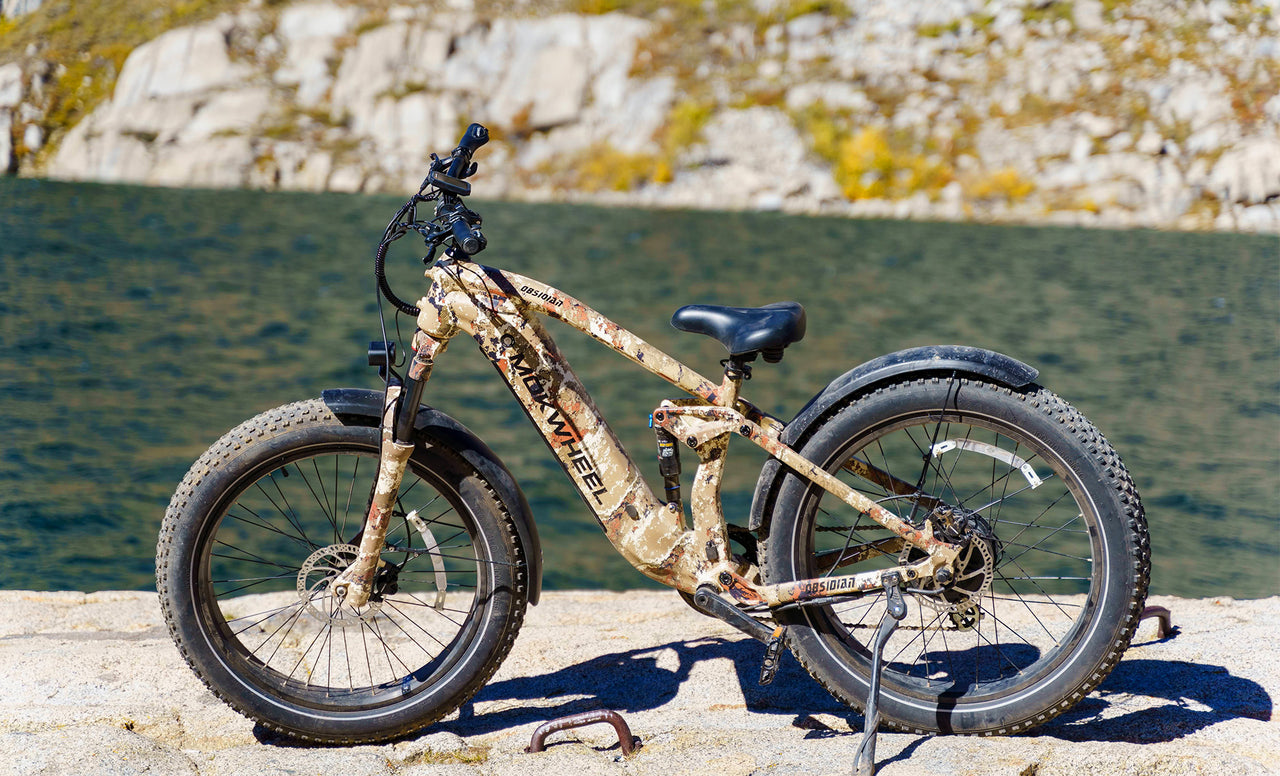
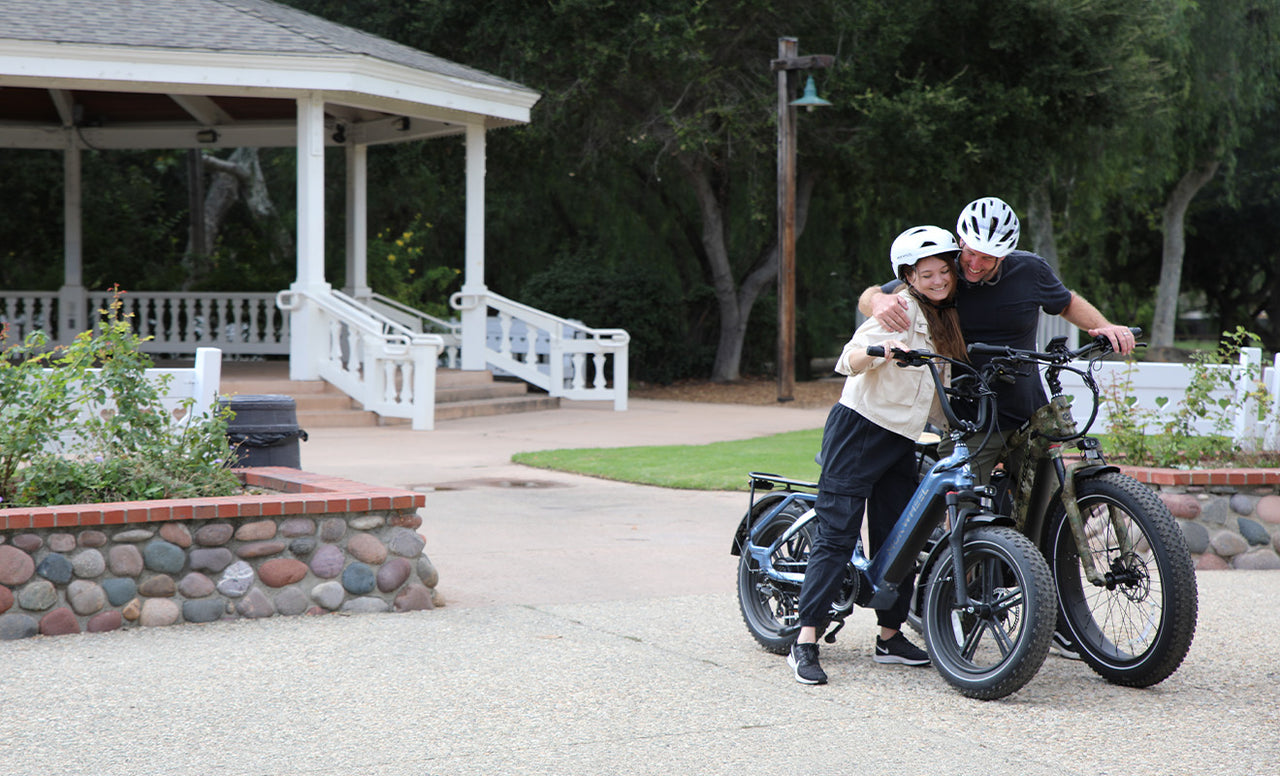
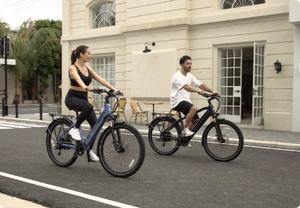
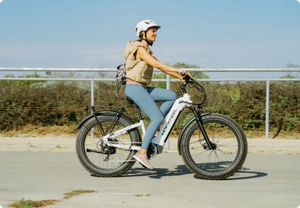
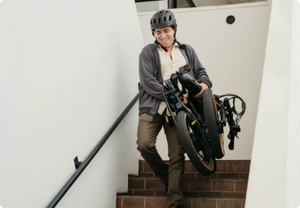
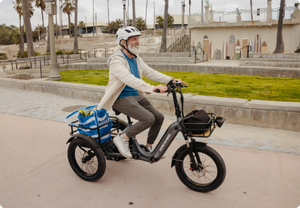
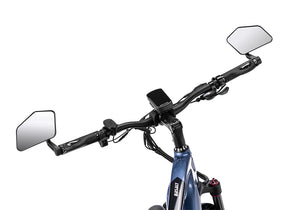
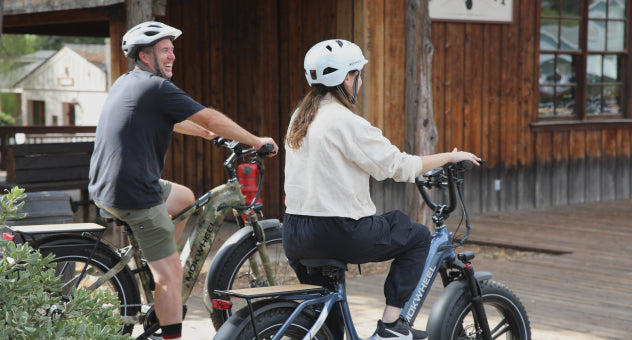
In cities hosting major events, some fans are turning to commuter electric bikes as a practical alternative. They’re easier to maneuver, don’t require parking, and give you more control over your timing.
It’s no surprise that more people are searching:
“best way to get to stadium without traffic”
A Smarter Strategy: Split Your Trip
If you want to avoid game day traffic, the key is simple—don’t rely on just one mode of transportation.
A better strategy is to break your trip into stages:
- Start with driving or public transit to an outer zone
- Avoid entering high-traffic areas near the stadium
- Use a flexible option for the last few miles
- Plan your exit before the game ends
Sometimes, parking a bit farther away actually saves you time compared to trying to get as close as possible.
In real-world situations, this approach just works better. For example, using an electric bike for the last stretch can help you bypass traffic entirely and leave faster after the game.
Some fans choose long-range commuter e-bikes (like Mokwheel Asphalt ebike or similar models) to handle the last few miles more efficiently.
Asphalt-blog
Why the “Last Few Miles” Matter Most
A lot of people underestimate this part.
The biggest delays usually don’t come from long-distance travel—they happen near the stadium.
This is where traffic is densest, routes change frequently, and everything slows down.
You might be able to see the stadium, but still take 30–60 minutes to actually get there.
That’s also when frustration kicks in.
And after the game, it’s the same story. Everyone opens their ride app at once—and suddenly prices spike.
If you’ve got a more flexible option—like an electric bike—you can often leave the area much faster instead of getting stuck again.
Plan Ahead, Enjoy More
The World Cup isn’t just a 90-minute match—it’s a full-day experience.
From getting there to getting home, every step shapes how you remember the day.
A lot of fans spend time picking seats or planning the match—but not how they’ll get there.
Some people even start by searching electric bikes near me, just to see if there’s a better way to move around.
And honestly, that kind of preparation can make the whole experience smoother.
When you’re not dealing with traffic stress, you can actually enjoy the game.
Start Your Experience Before You Arrive
The 2026 World Cup will be one of the biggest sporting events in years.
But while everyone is focused on the match itself, there’s something else worth thinking about—how you get there.
Whether it’s choosing a smarter route or trying a more flexible way to travel, the goal is simple: avoid getting stuck.
Because when you arrive easily and leave without stress, the experience feels completely different.
And in many ways, the game starts long before kickoff.