








Helmet 1.0
Get it for just $9.90 with any e-bike purchase.
$9.99
$49.00


Shopping Cart
Add an eligible product to unlock your free gift.
0 of 2 eligible e-bikes added, Add more to unlock your free gift.
2 of 2 eligible e-bikes added · $499.99 value applied
[number] of 2 eligible e-bikes added, Add more to unlock your free gift.


Select communities receive an exclusive discount with ID.me

The 2026 FIFA World Cup is going to be massive.
For the first time, the tournament will be hosted across three countries—the United States, Canada, and Mexico—with matches taking place in major cities like Los Angeles, New York, Miami, and Dallas.
So naturally, one question comes up again and again:
When do 2026 World Cup tickets actually go on sale?
And right after that:
How do you get to the stadium without getting stuck in traffic for hours?
If you're thinking about going, you're not alone. But the reality is, most people start planning too late—and that’s where things go wrong.
This guide walks you through everything you need to know, in a practical, no-nonsense way.

FIFA hasn’t announced the official ticket release date yet.
However, based on previous World Cups, we can make a reliable estimate:
Tickets will likely go on sale in late 2025.
That’s typically around 6 to 9 months before the tournament begins.
If this is your first World Cup, the ticket process might feel a bit confusing.
It’s not simply a “buy now” system—tickets are released in multiple phases.
This is usually the first stage.
You submit a ticket request within a specific window, and FIFA randomly selects applicants.
There’s no advantage to being early here—you just need to apply before the deadline.
This is where things get competitive.
Tickets are released in real time, and it becomes a race.
High-demand matches—like the final or games in major U.S. cities—can sell out quickly.
If you're planning to buy during this phase, make sure your account is ready and your payment details are saved.
Closer to the tournament, FIFA releases remaining tickets.
These usually come from cancellations or unclaimed allocations.
If your schedule is flexible, this phase can work in your favor.
It depends on what you’re aiming for.
If you're trying to get tickets for:
You should expect strong competition.
But if your goal is simply to attend a World Cup match, your chances are much better—especially for group stage games.
Official prices haven’t been released yet, but based on past tournaments, here’s a general range:
Prices vary depending on match importance, seat category, and location.
Getting tickets is only part of the experience.
For many fans, the real challenge is getting to the stadium on game day.
When tens of thousands of people head to the same location at the same time, things slow down quickly.
Traffic congestion, road closures, and limited parking are all common issues.
Even if you're only a few miles away, it can still take 30 to 60 minutes to reach the stadium
Each city has its own challenges, but the overall patterns are similar.
If you want a more detailed breakdown of each host city, including stadium locations and travel tips, you can check out this World Cup 2026 USA stadium guide.
The closer you get to the stadium, the less predictable your travel time becomes
Instead of driving directly to the stadium, many experienced fans take a more flexible approach.
Drive or take public transit to an outer area, then use a more flexible option for the final few miles.
This simple strategy can save a lot of time.
Aim to arrive 2 to 3 hours before kickoff.
This gives you time to deal with traffic, parking, and entry lines without stress.
Leaving immediately after the match usually means getting stuck in traffic with everyone else.
You can either leave slightly early or wait for the crowds to clear.
Most delays don’t happen on highways.
They happen near the stadium.
This is where traffic is densest, routes change frequently, and everything slows down.
That’s also why more fans are rethinking how they handle this part of the trip
Some fans are choosing a different approach for the final stretch.
Instead of driving all the way to the stadium, they park farther away and switch to something more flexible.
In cities like Los Angeles or Dallas, where traffic near the stadium can be unpredictable, this can make a noticeable difference.
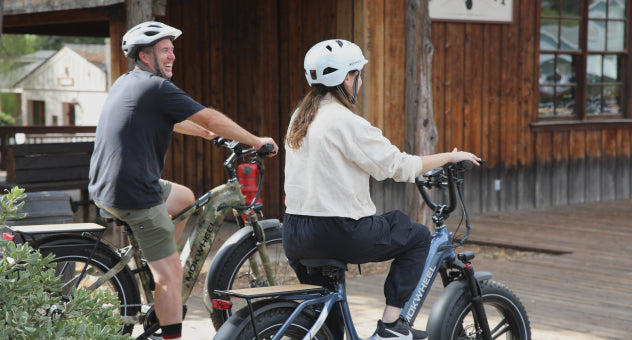
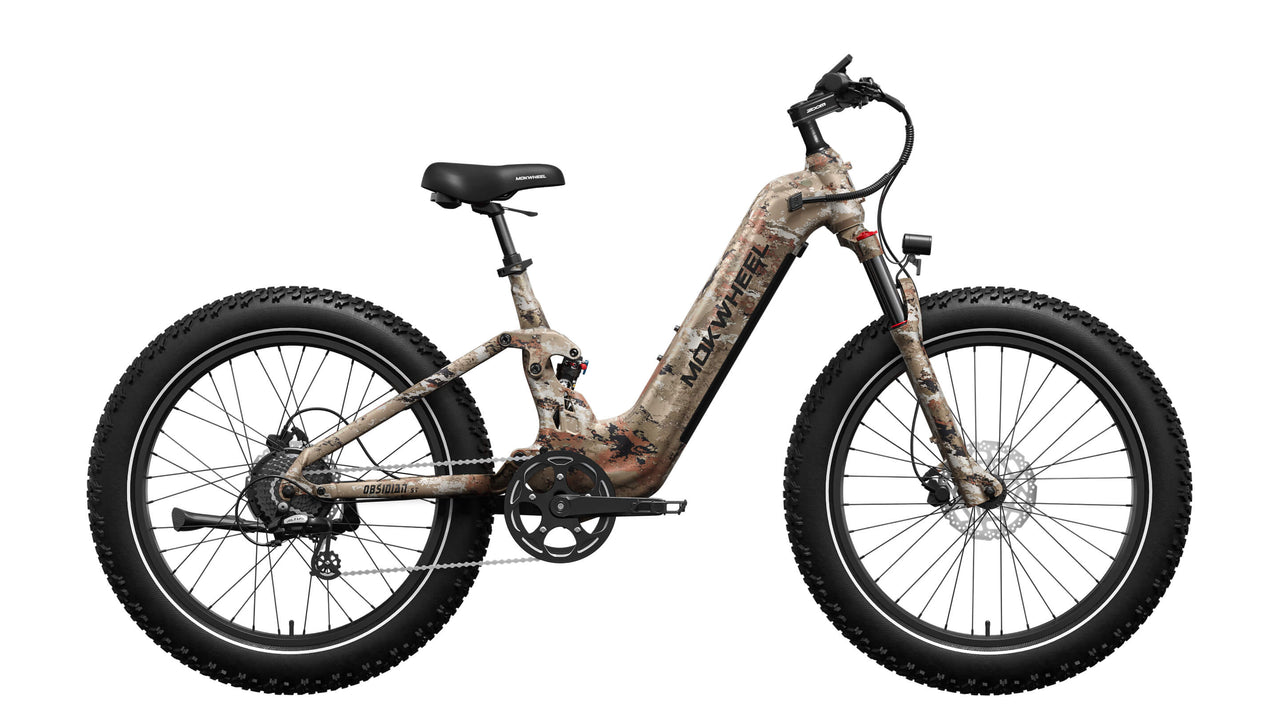
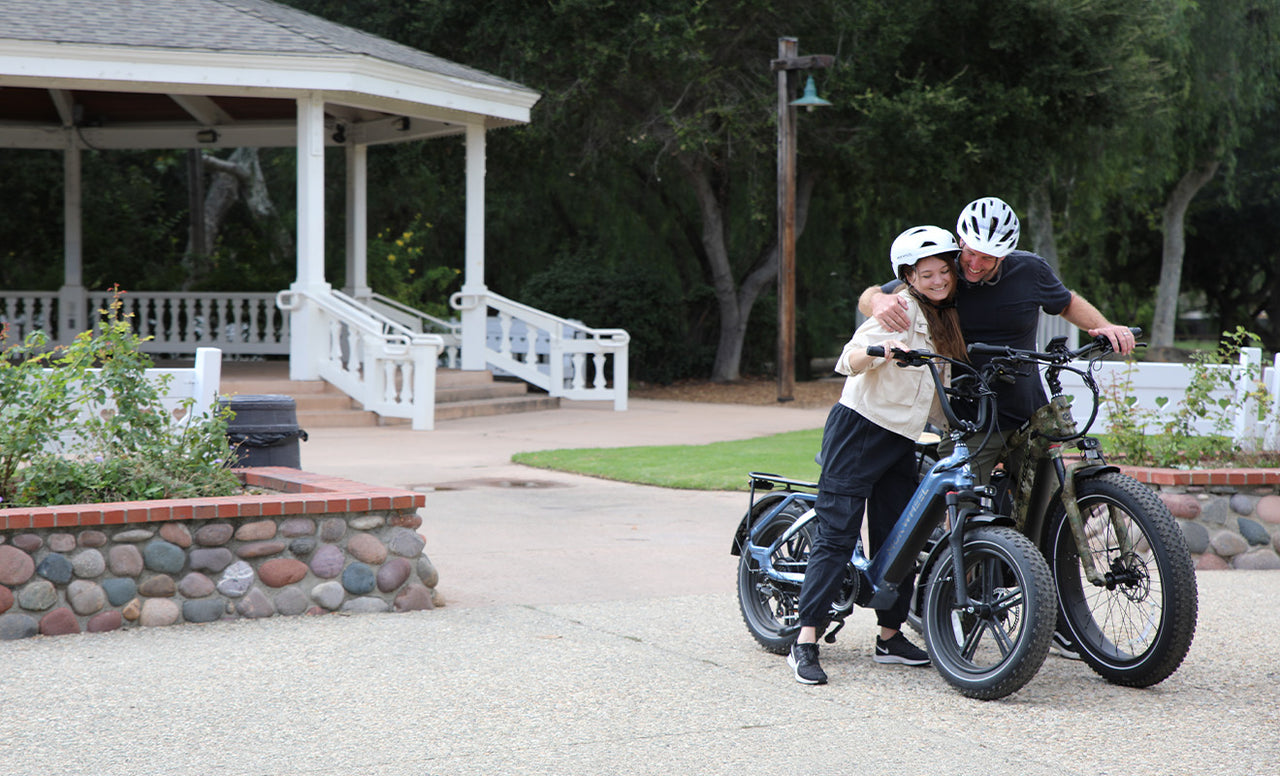
One option that’s becoming more popular is using a commuter e-bike.
Not as a trend, but as a practical solution:
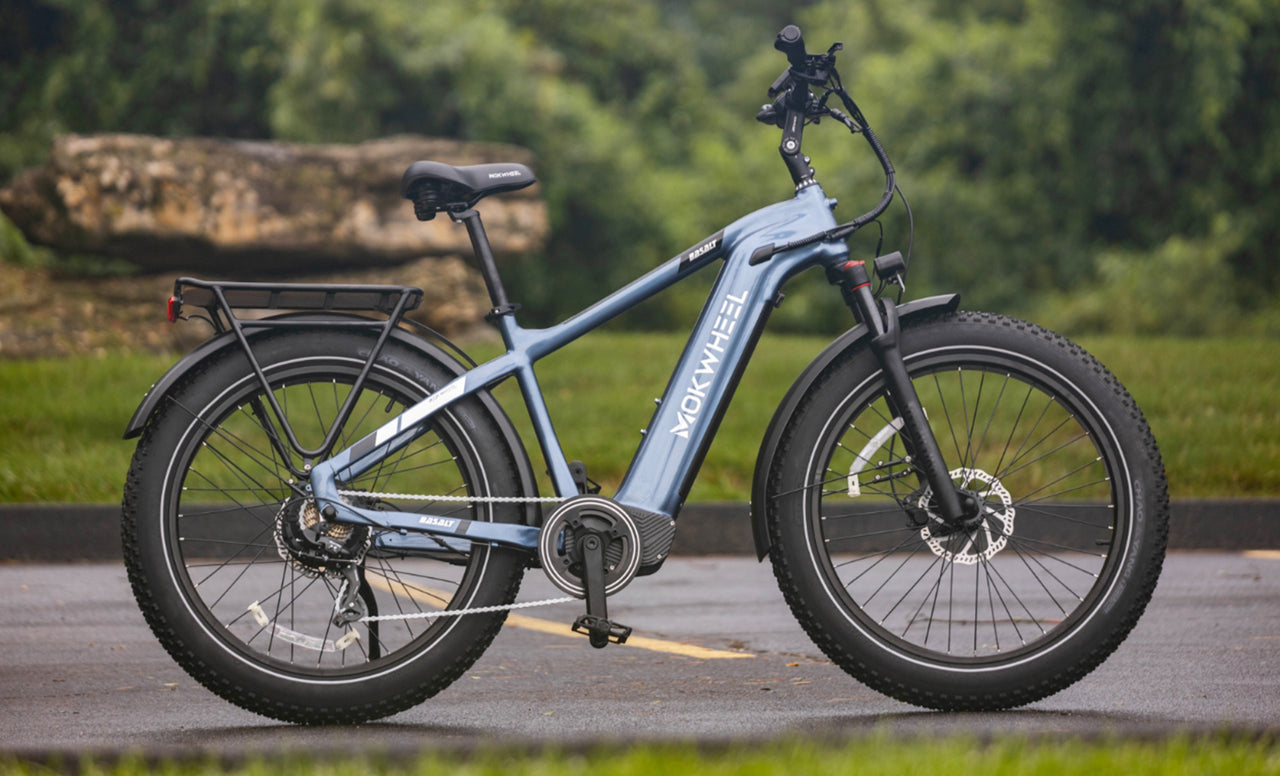
Some riders use long-range commuter models like the Mokwheel Asphalt series, especially when staying a few miles from the venue.
It’s not something most people think about at first, but once you experience game day traffic, it starts to make a lot of sense.
If you're looking for more flexible ways to get around during large events, it’s worth exploring different commuter e-bike options ahead of time.
If you’re planning for the 2026 World Cup, here’s what matters most:
The World Cup isn’t just about the match—it’s the full experience.
From getting your tickets to navigating game day logistics, every step shapes how the day unfolds.
The fans who enjoy it the most aren’t just lucky—they plan ahead.
Start early, stay flexible, and think through the details.
Because when you’re not stuck in traffic or worrying about timing, you can actually enjoy the moment.
And that’s what makes the experience unforgettable.




Read More
Read More

Read More
Read More