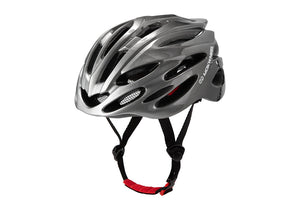









Helmet 1.0
Get it for just $9.90 with any e-bike purchase.
$9.99
$49.00


Shopping Cart
Add an eligible product to unlock your free gift.
0 of 2 eligible e-bikes added, Add more to unlock your free gift.
2 of 2 eligible e-bikes added · $499.99 value applied
[number] of 2 eligible e-bikes added, Add more to unlock your free gift.


Select communities receive an exclusive discount with ID.me


Basalt ST 2.0 Ebike


Basalt 2.0 Ebike


Tor Plus Ebike


Mesa Plus ST Ebike


Obsidian ST 2.0 Ebike


Obsidian 2.0 Ebike


Scoria 2.0 Ebike


Asphalt ST Ebike


Asphalt Ebike


FLINT Ebike


FLINT PRO ST Ebike


FLINT PRO Ebike


Tarmac ST Ebike


Tarmac Ebike


Onyx ST Ebike


Onyx Ebike


Slate Ebike
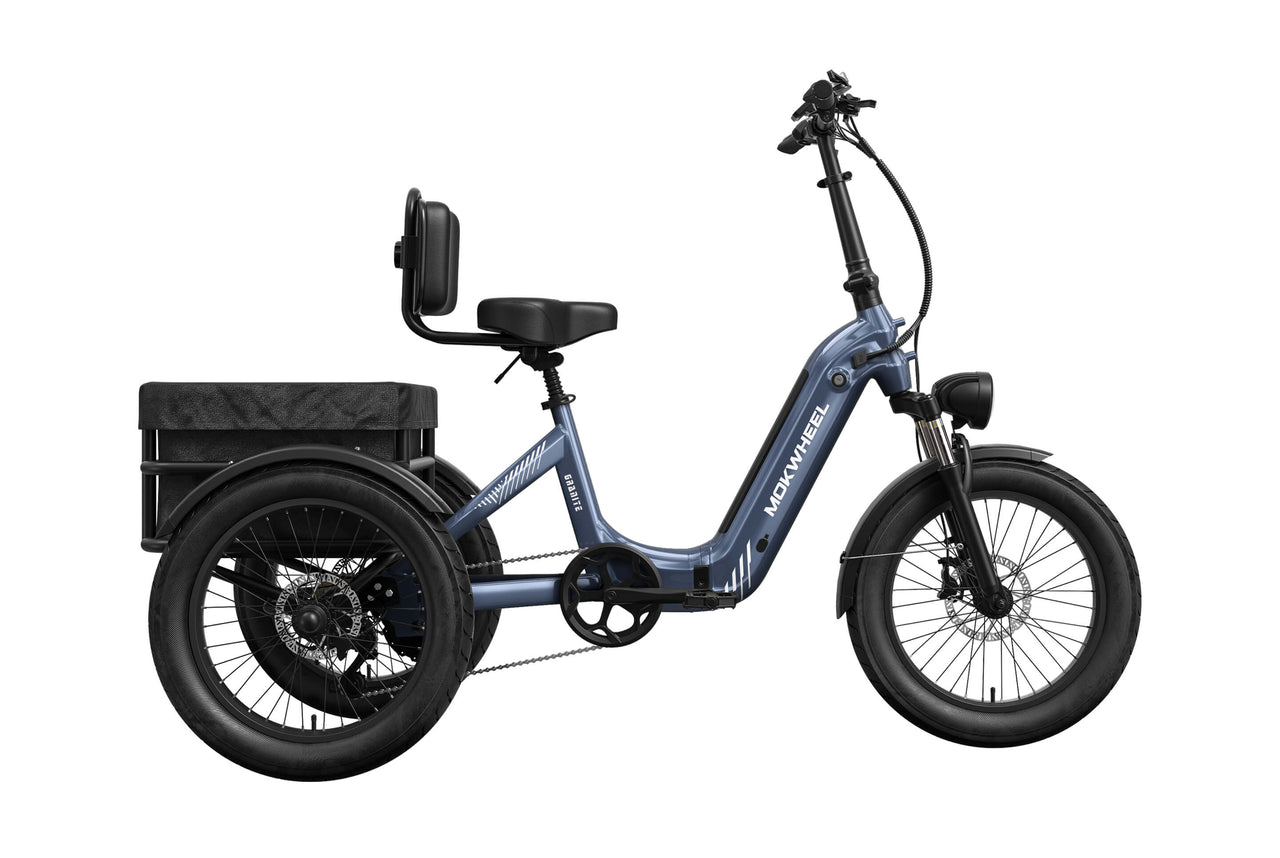
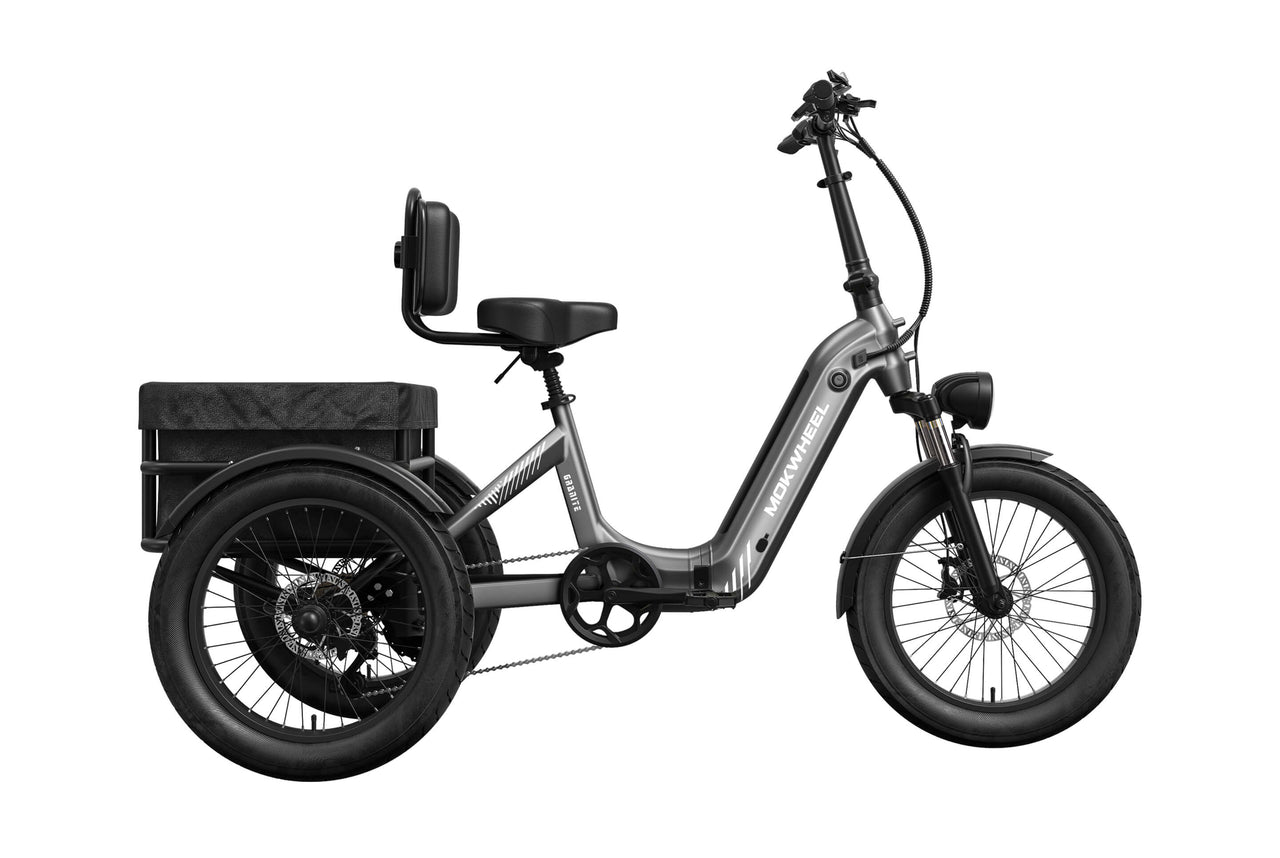
Granite E-Trike


FLINT ST Ebike
Basalt ST 2.0 Ebike
Basalt 2.0 Ebike
Tor Plus Ebike
Mesa Plus ST Ebike
Obsidian ST 2.0 Ebike
Obsidian 2.0 Ebike
Scoria 2.0 Ebike
Asphalt ST Ebike
Asphalt Ebike
FLINT Ebike
FLINT PRO ST Ebike
FLINT PRO Ebike
Tarmac ST Ebike
Tarmac Ebike
Onyx ST Ebike
Onyx Ebike
Slate Ebike
Granite E-Trike
FLINT ST Ebike

0% APR For 12 Months

Reliable Shipping

Quality Assurance

Secure Payment
Compare Class 1, Class 2, and Class 3 by pedal assist, throttle use, top assisted speed, and riding needs.
A Class 1 electric bicycle provides pedal assist up to 20 mph with no throttle. It suits bike paths, relaxed rides, and everyday cycling.
A Class 2 e-bike combines pedal assist with a throttle and assists up to 20 mph, making starts and stop-and-go city riding easier.
A Class 3 electric bike provides pedal assist up to 28 mph for road riding and longer commutes. Access rules vary by state.
*E-bike classes are based on motor assistance and top assisted speed. Federal rules define low-speed electric bicycles as having operable pedals, a motor under 750 watts, and a motor-only speed below 20 mph. State laws vary: New Jersey distinguishes 20 mph pedal-assist “low-speed electric bicycles” from throttle-equipped or 21–28 mph “motorized bicycles.” Check current local requirements before riding.
The best Mokwheel e-bike for you depends on where you ride, how much storage space you have, and how you want the bike to handle. For paved commuting, compare FLINT, Asphalt, and Tarmac. Choose Basalt 2.0 for pavement and mixed terrain, or Obsidian 2.0 if full suspension matters on regularly rough routes. Slate suits folding storage, Granite offers three-wheel stability and cargo utility, and Onyx delivers mid-drive performance. Read our electric commuter bike guide, then compare Mokwheel e-bikes side by side.
Choose a step-through electric bike if you want easier frame access, make frequent stops, carry rear cargo, or prefer not to swing your leg over a high top tube. Choose a step-over e-bike if you are comfortable with a traditional frame and prefer that familiar riding style. Neither design is automatically stronger or better for everyone. Read our step-through vs. step-over bike guide or browse step-through ebikes.
Choose an advertised range that exceeds your longest normal round trip and leaves reserve capacity for detours and changing conditions. An electric bicycle usually travels fewer miles when higher assist levels, frequent throttle use, hills, cold weather, heavier loads, or low tire pressure increase energy demand. Tire design also affects efficiency; see our fat-tire vs. regular-tire e-bike comparison, then explore long-range electric bikes.
Choose a hub-drive e-bike for straightforward commuting, recreational riding, and routes that are mostly flat or moderately hilly. Choose a mid-drive electric bike when steep climbs, changing elevation, or effective use of the bike’s gears matters more. Mid-drive systems place the motor near the bike’s center and power the wheel through the drivetrain, so correct shifting is important. Read our hub motor vs. mid-drive guide or compare mid-drive ebikes.
Start with your height and inseam, then check each model’s recommended rider-height range, standover height, reach, and minimum and maximum saddle height. Wheel diameter affects handling, stability, and storage, but it does not determine electric bike fit by itself.
Tire width and tread also affect comfort, grip, rolling resistance, and steering. After choosing a wheel size, use the Mokwheel model comparison to review the complete geometry. If your measurements are near a model’s fit limit, schedule a dealer test ride before ordering.
Under the three-class system used by many U.S. states, electric bikes are generally grouped by how the motor provides assistance and the speed at which that assistance ends:
Read our complete e-bike class guide to compare Class 1, Class 2, and Class 3 electric bikes in more detail.
E-bike classifications are not uniform nationwide. New Jersey, for example, no longer uses the standard Class 1, Class 2, and Class 3 framework. A two-wheeled, pedal-assist-only bike with fully operable pedals and assistance ending at 20 mph is legally defined as a “low-speed electric bicycle”—a category broadly comparable to a traditional Class 1 e-bike. Qualifying throttle-equipped bikes and models providing assistance above 20 mph may fall under the state’s “motorized bicycle” rules. Check our New Jersey e-bike laws guide before riding.
Yes. Use the Mokwheel ebike dealer locator to search by city, ZIP code, or county. Test-ride inventory varies by location, so contact the dealer first to confirm that your preferred electric bike and frame option are available. During the ride, check mounting clearance, handlebar reach, stopping position, low-speed handling, pedal-assist response, braking, and overall comfort.